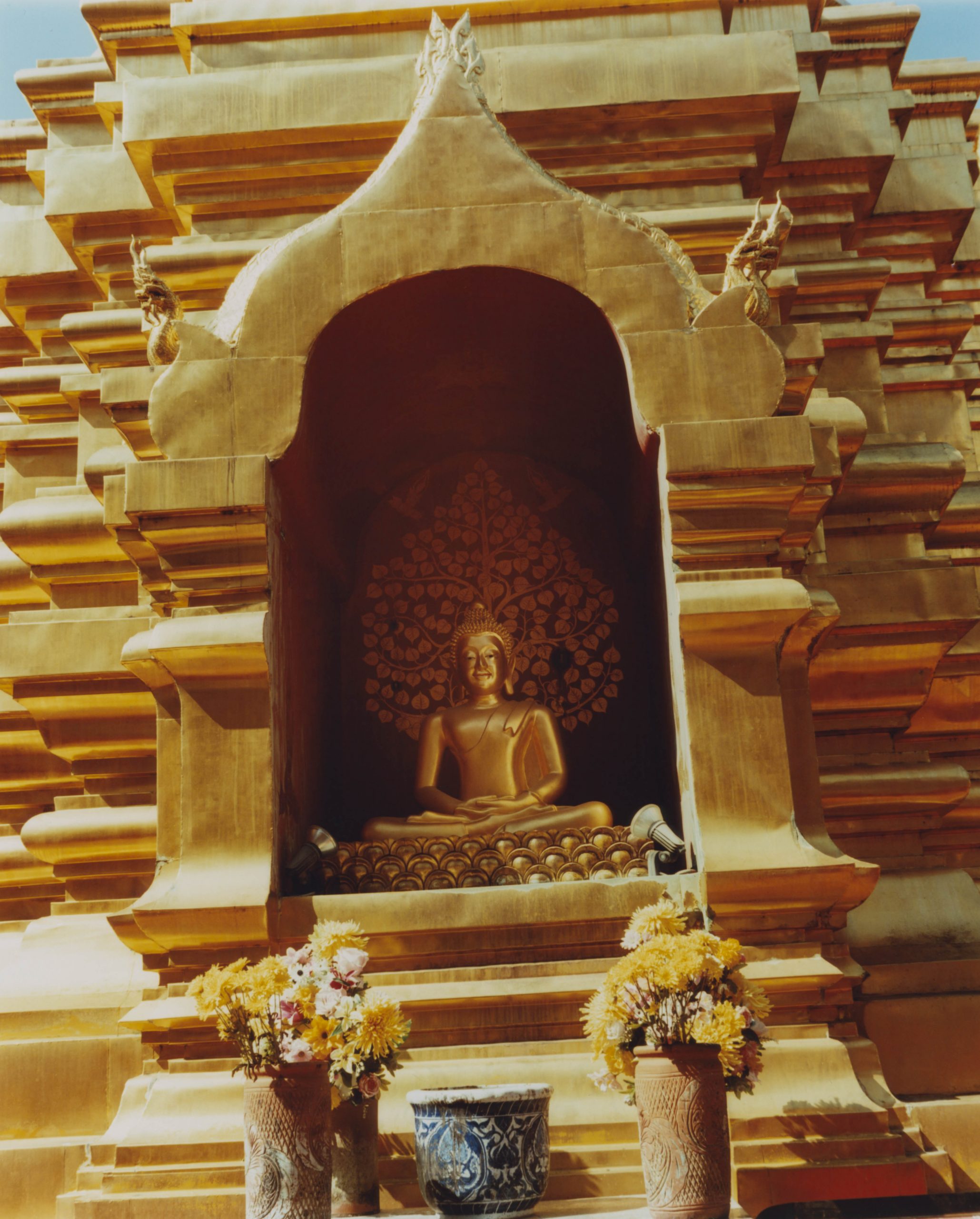
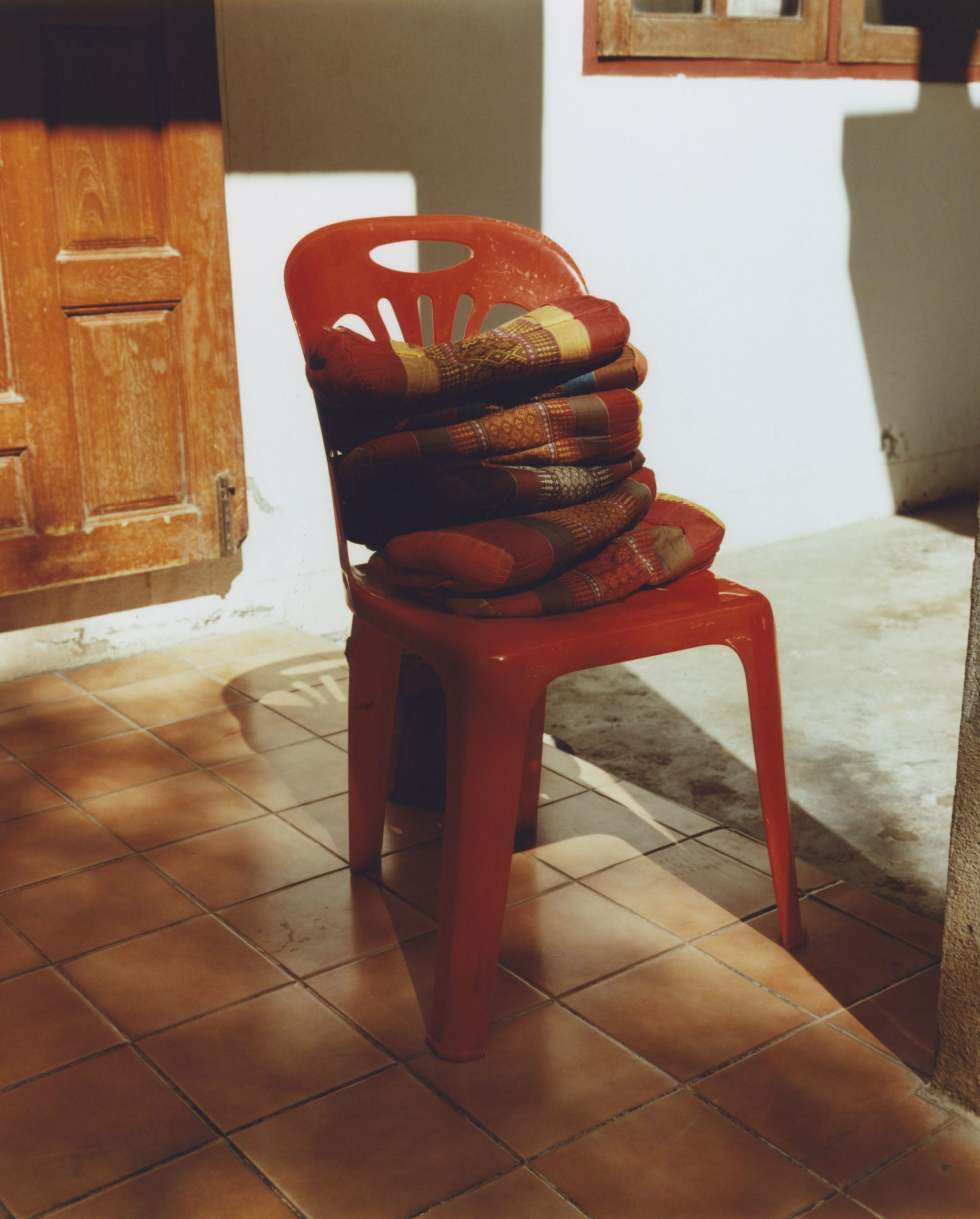
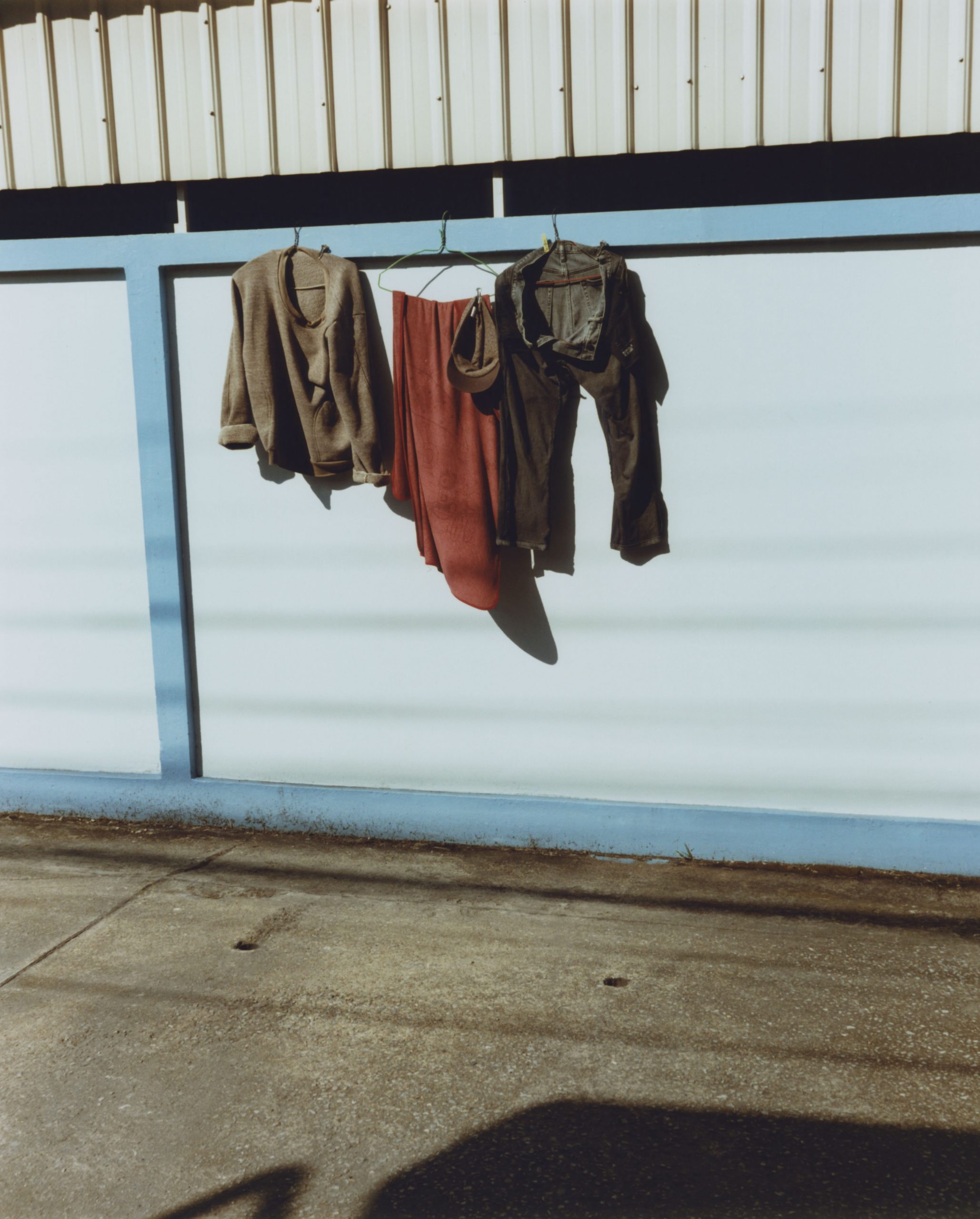
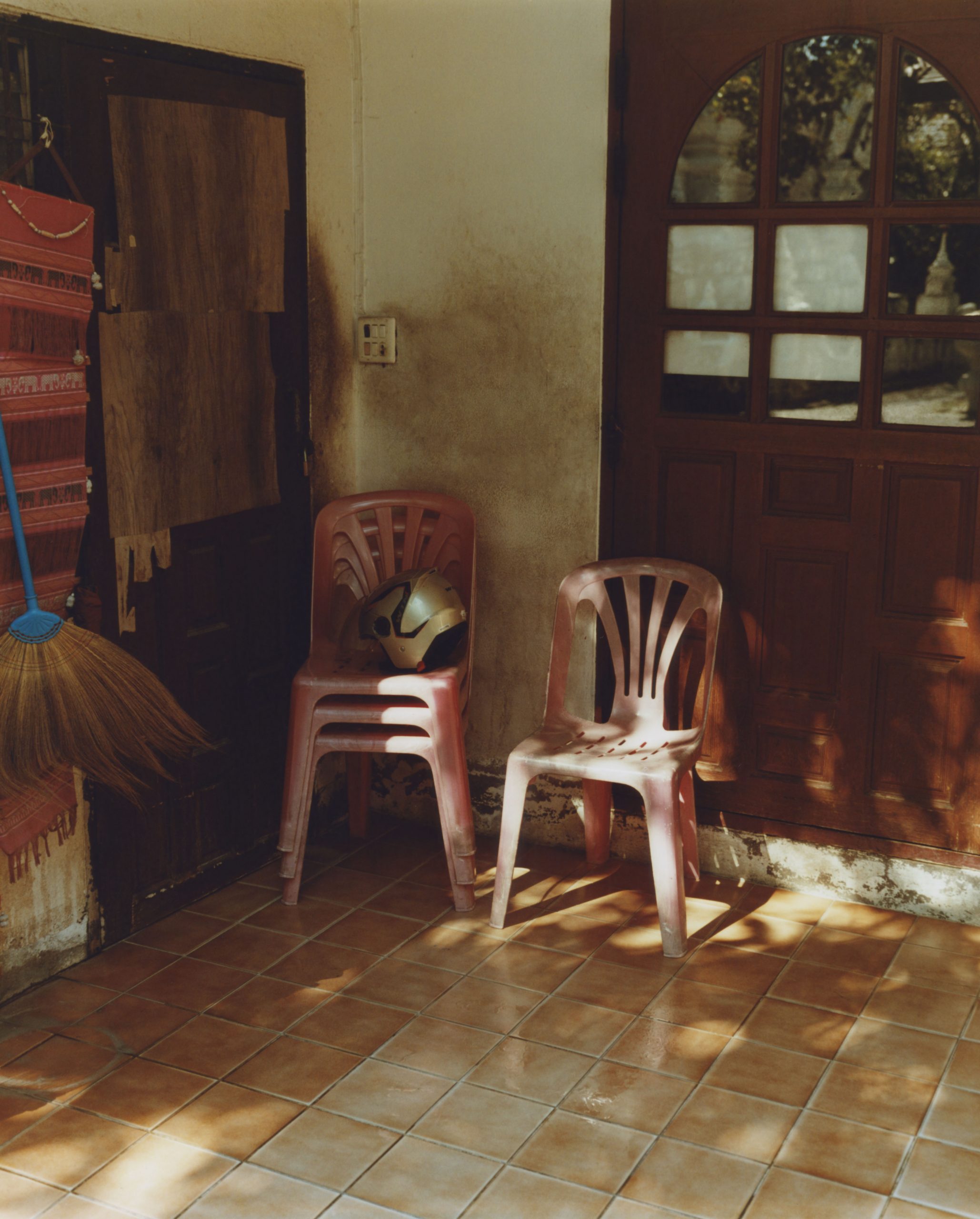
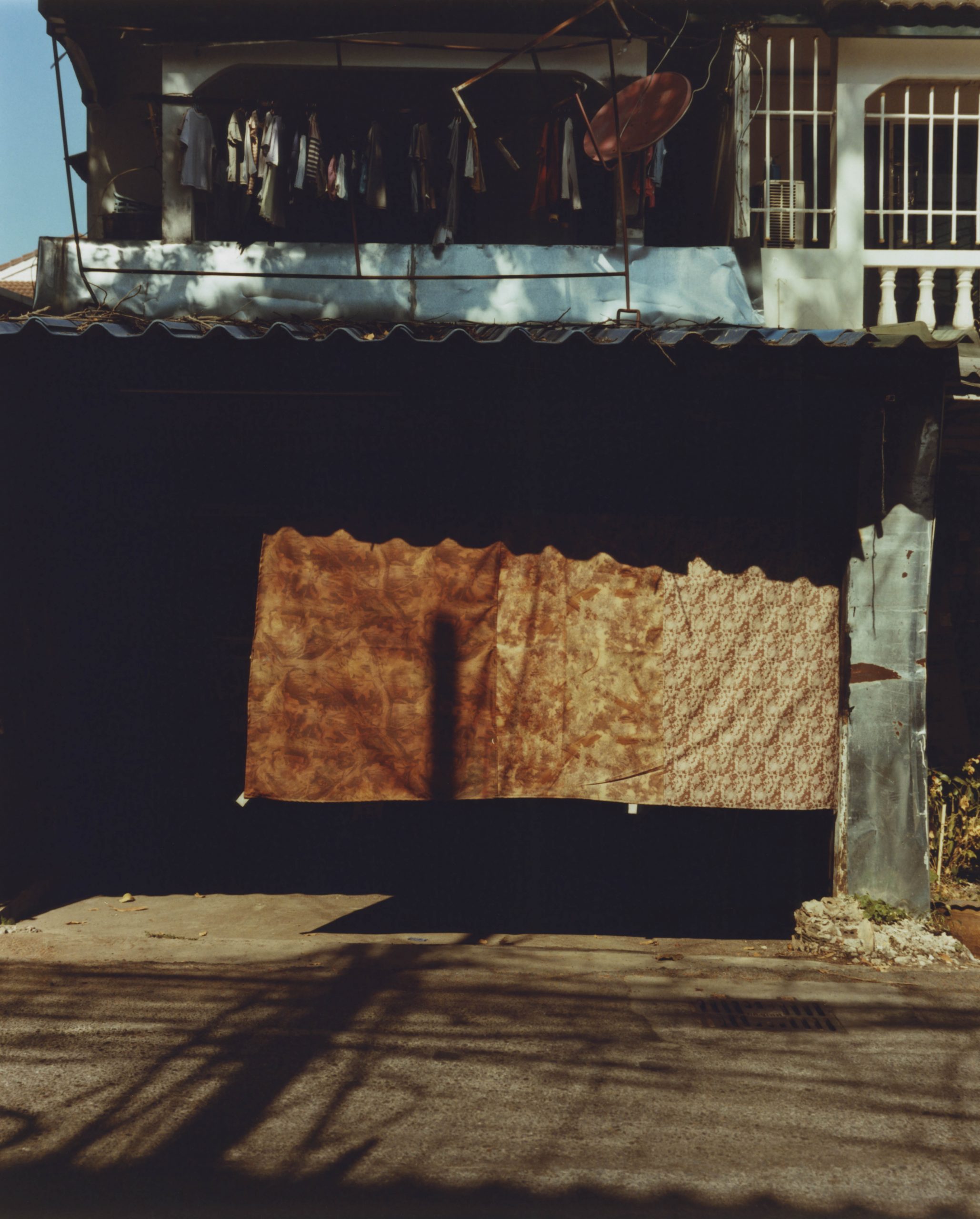
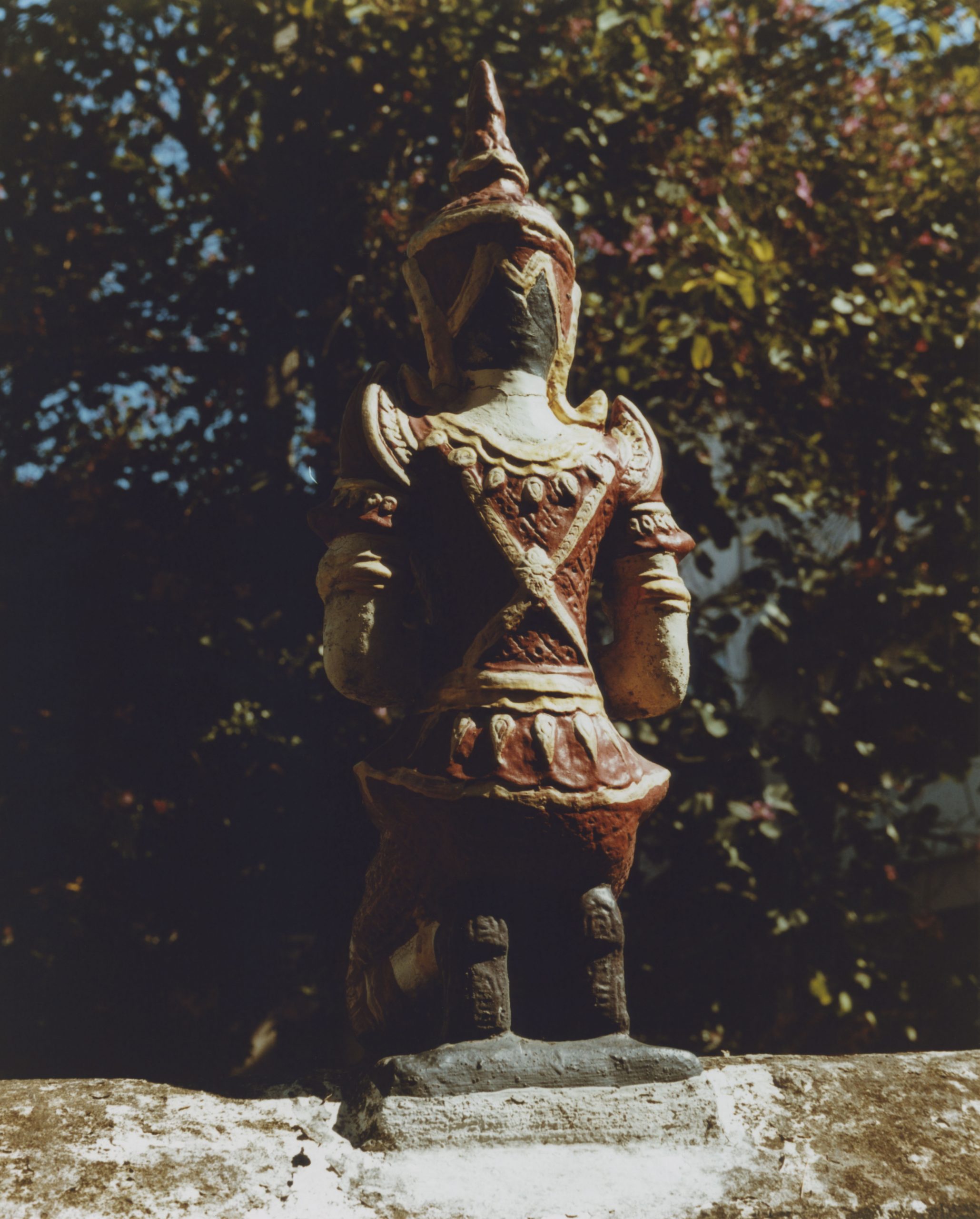
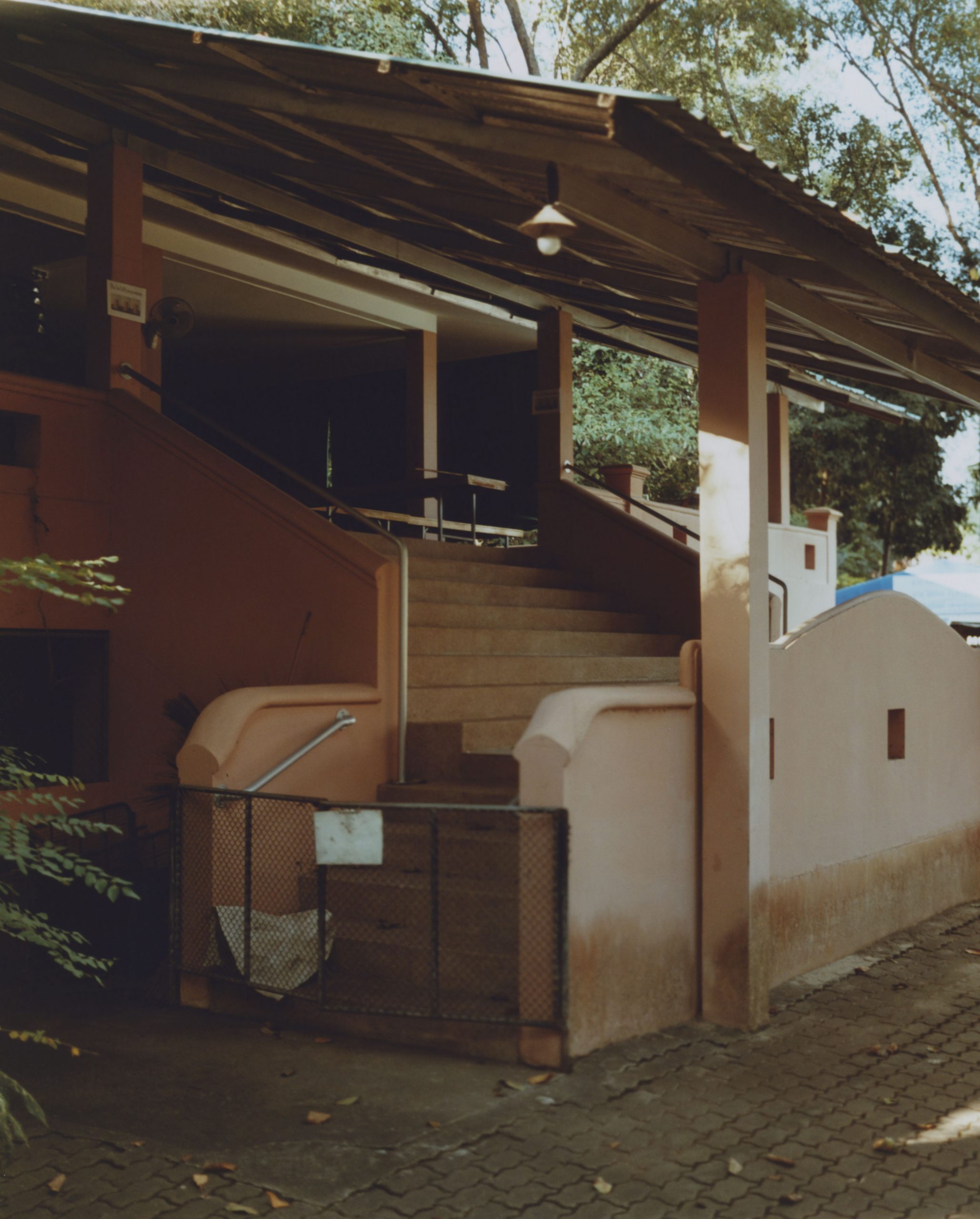
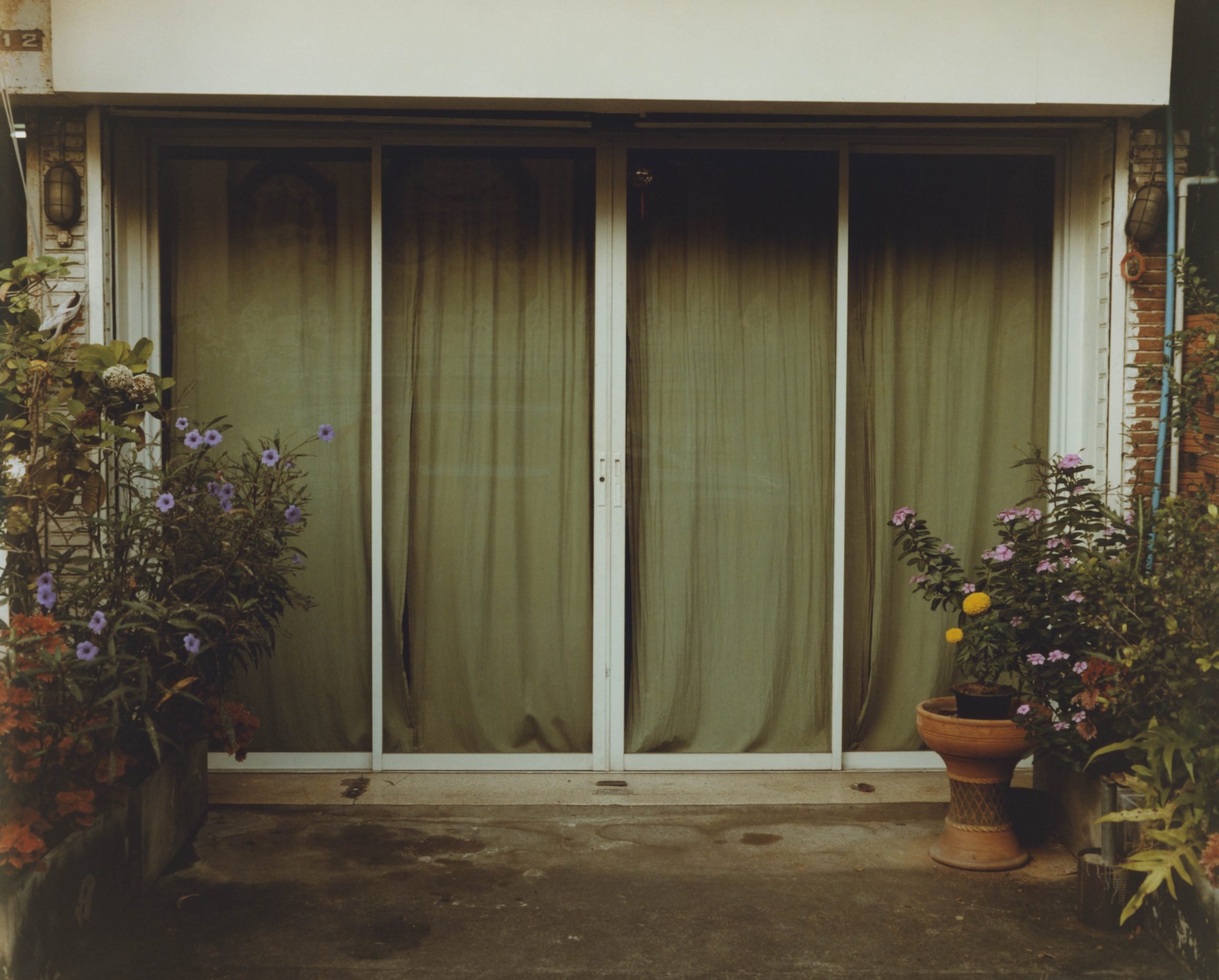
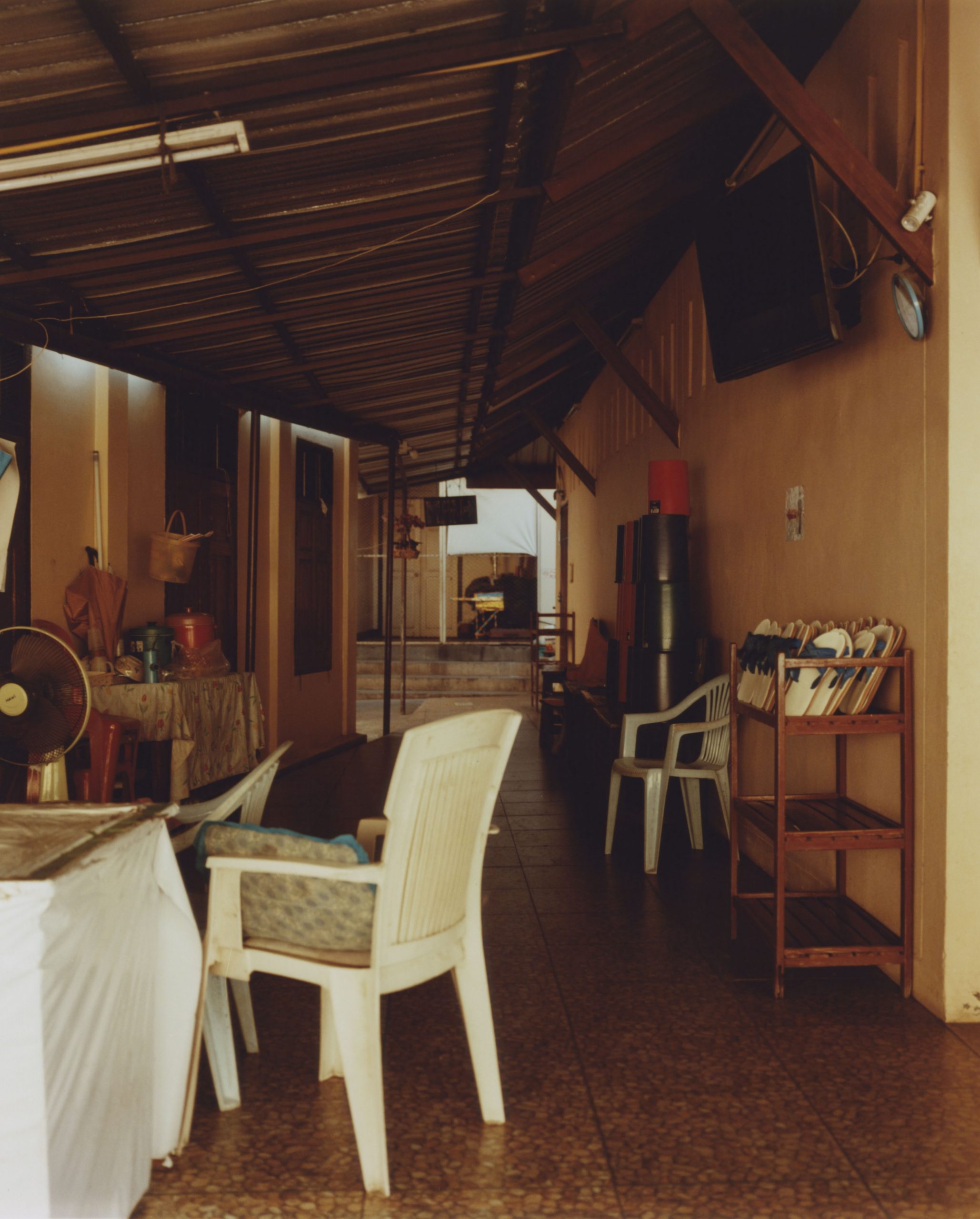
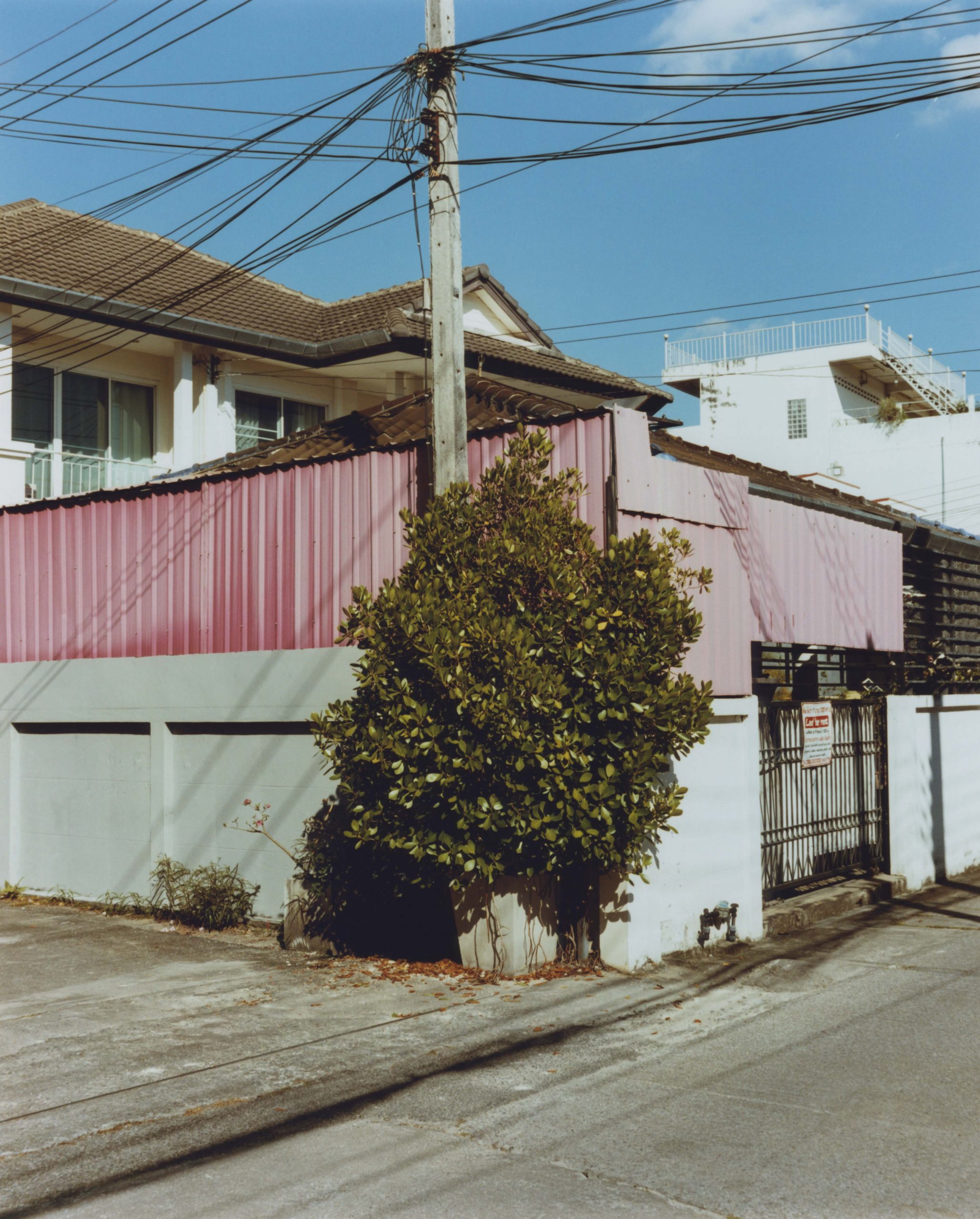
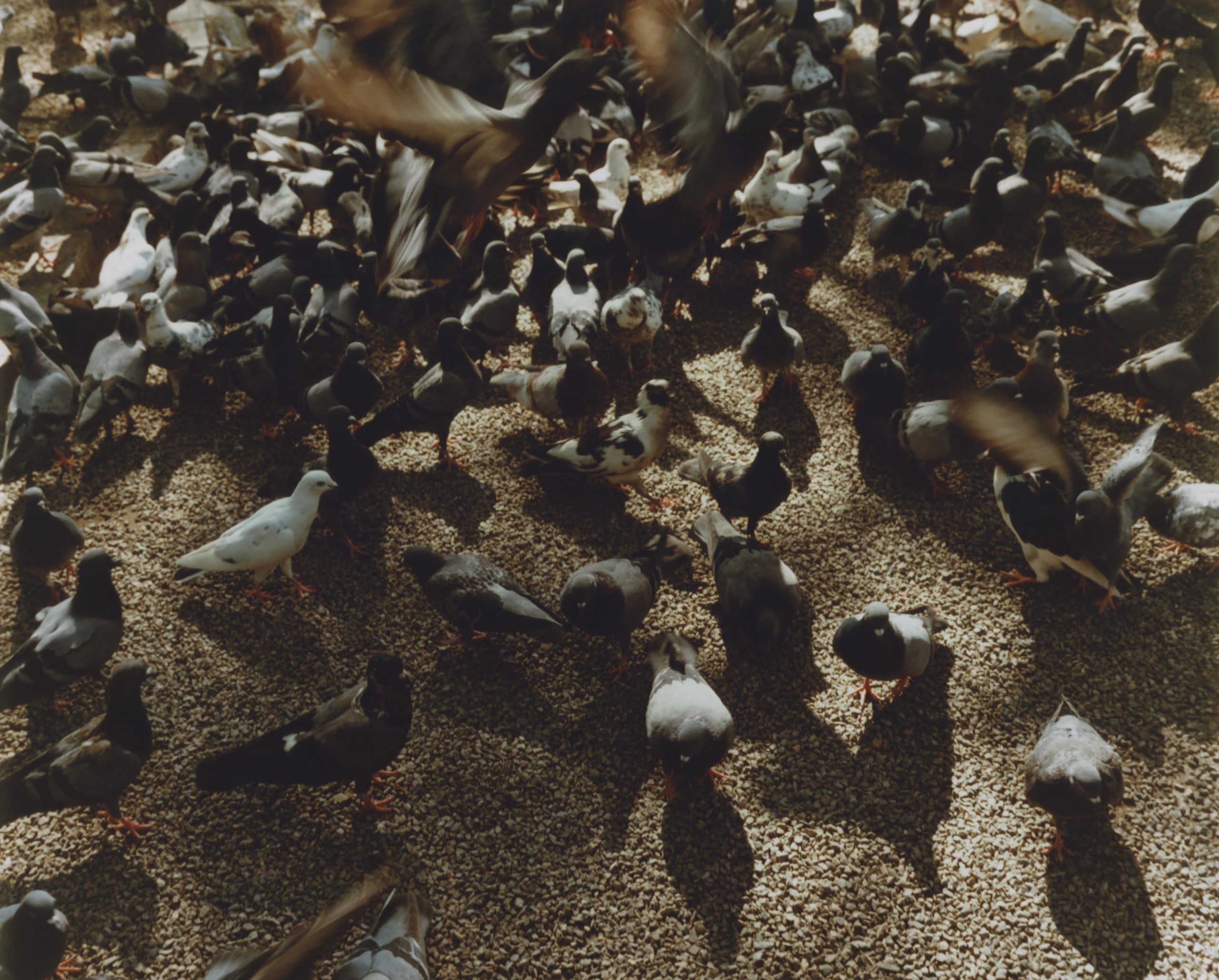
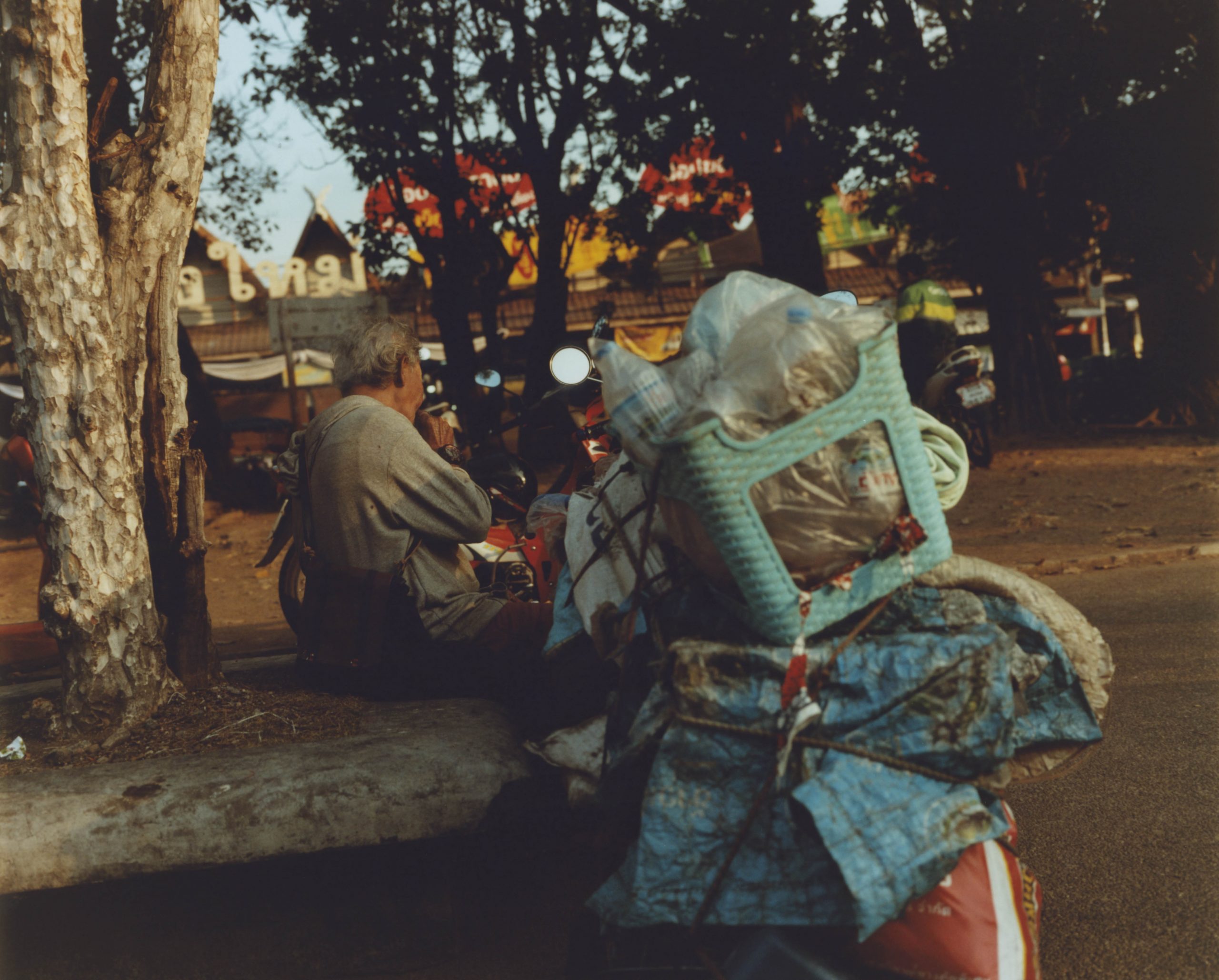
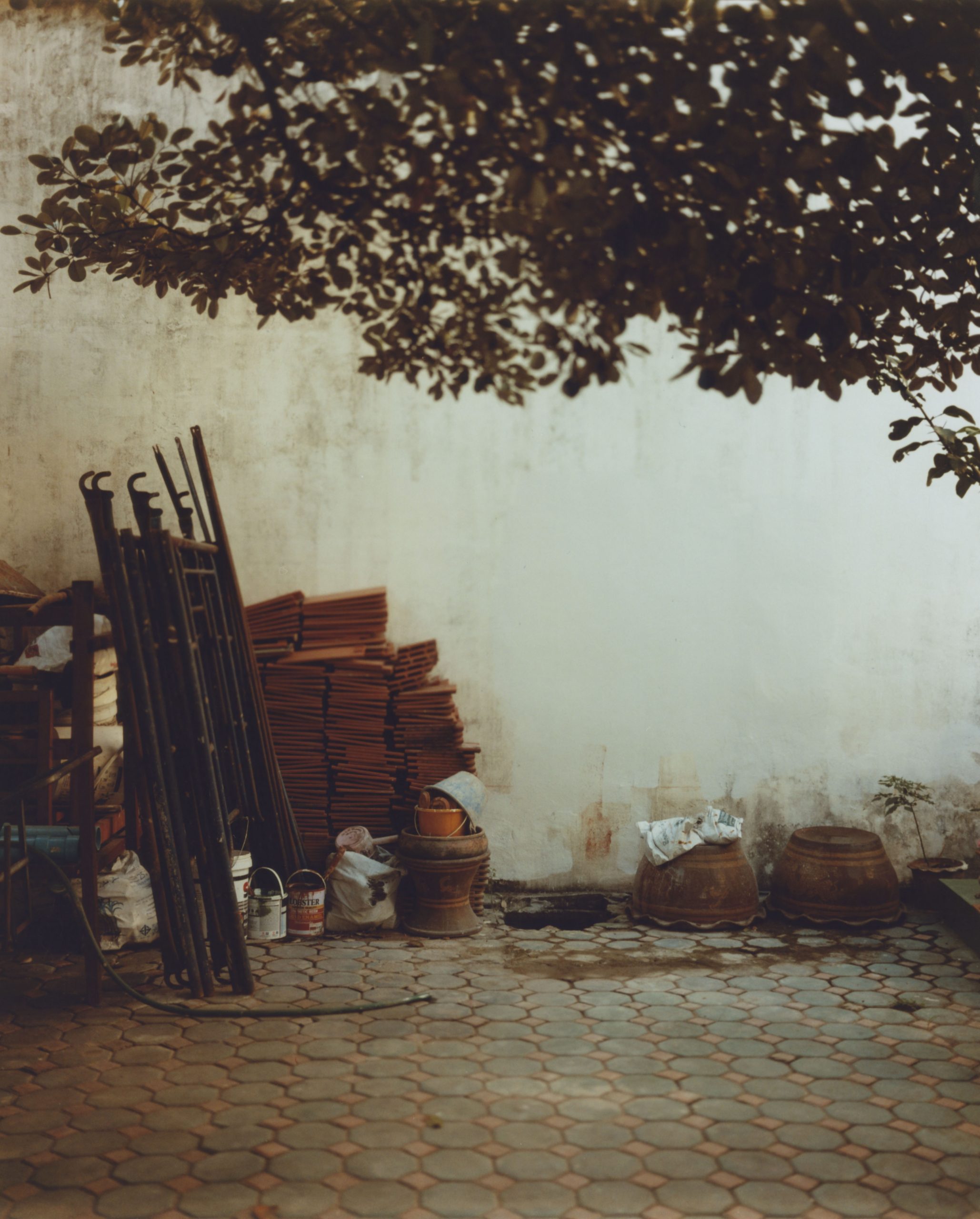
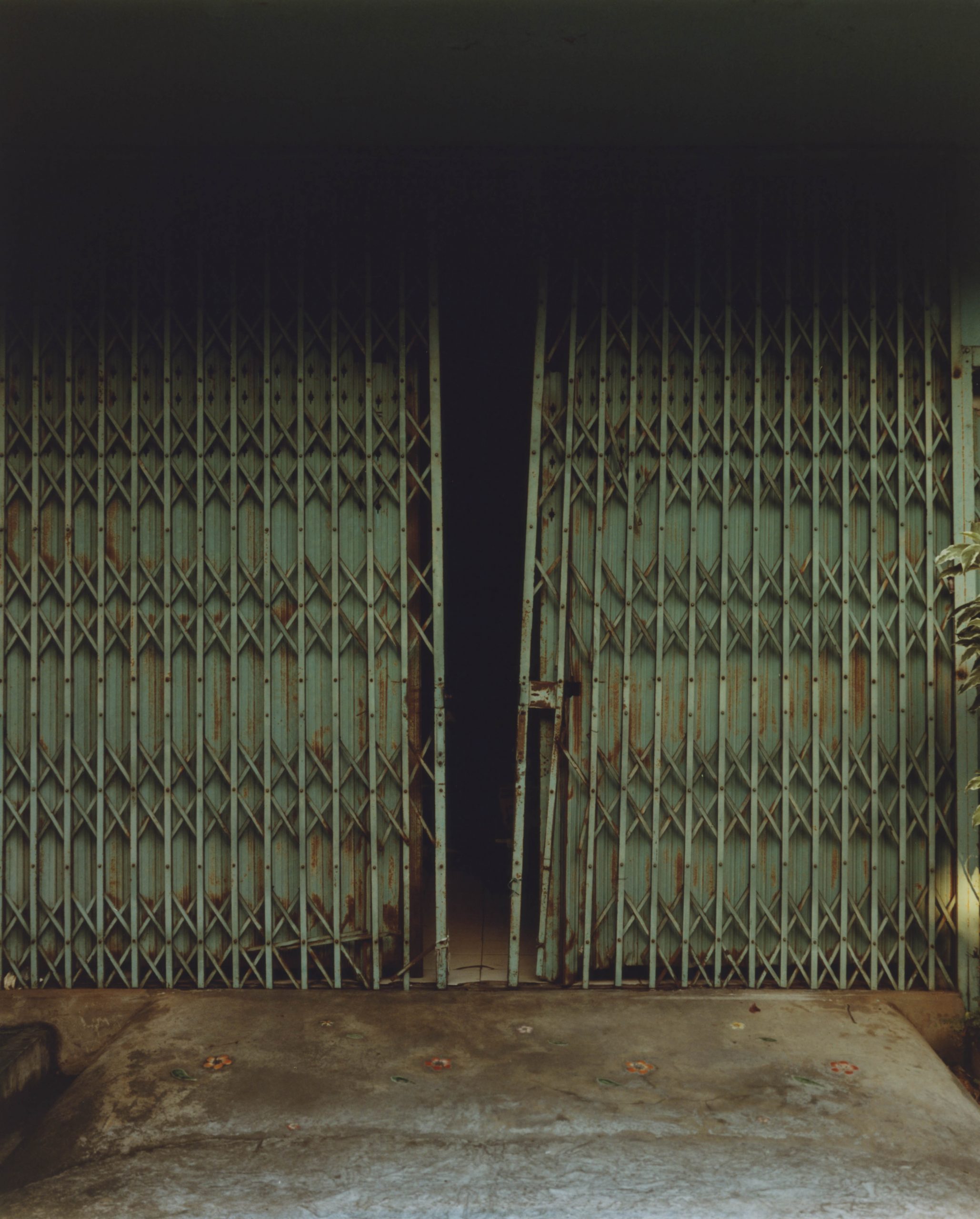
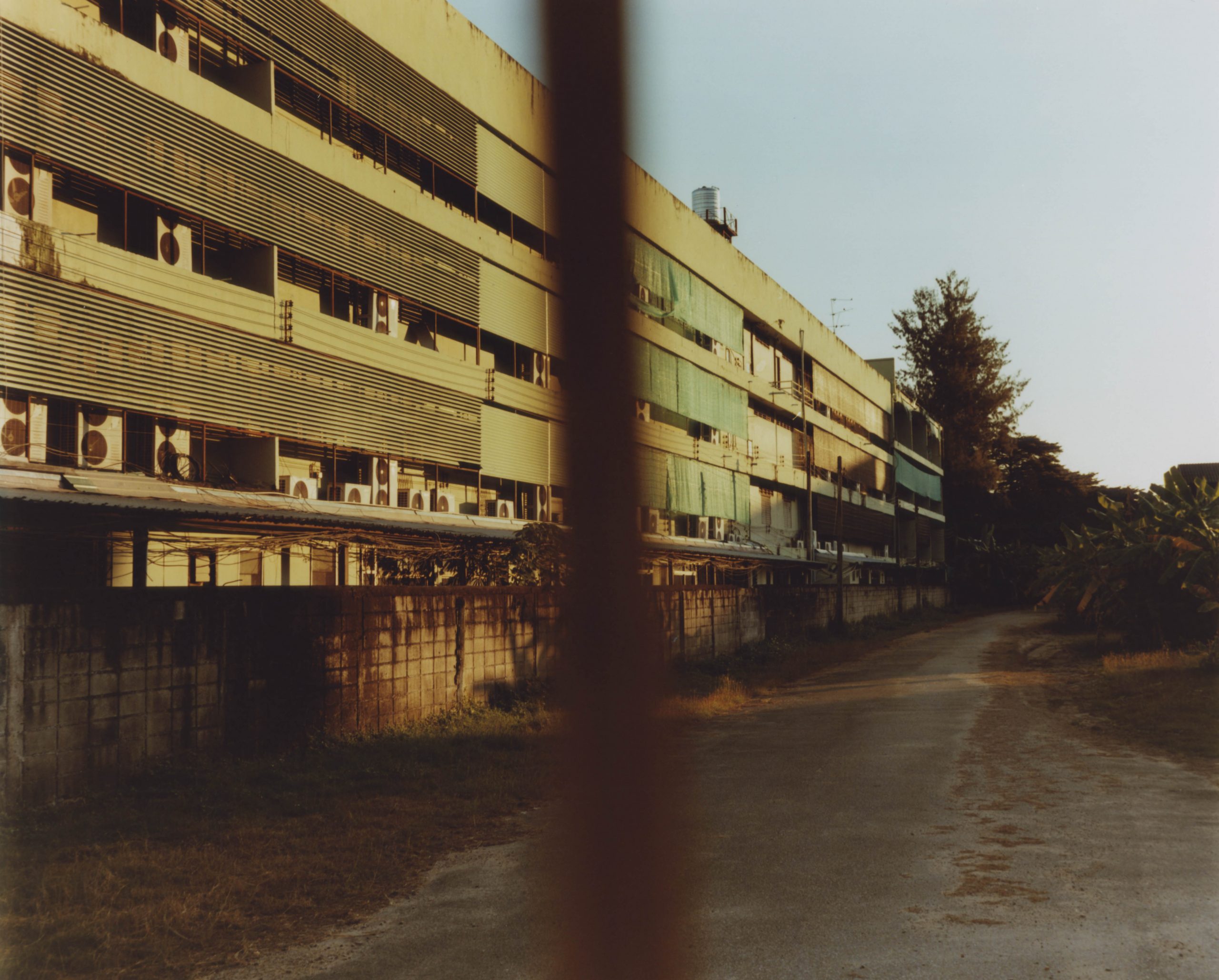
In this city of over 300 temples, about 76% of residents naturally cross paths with Buddhist spaces in their daily lives—not through deliberate ritual, but as ordinarily as breathing.
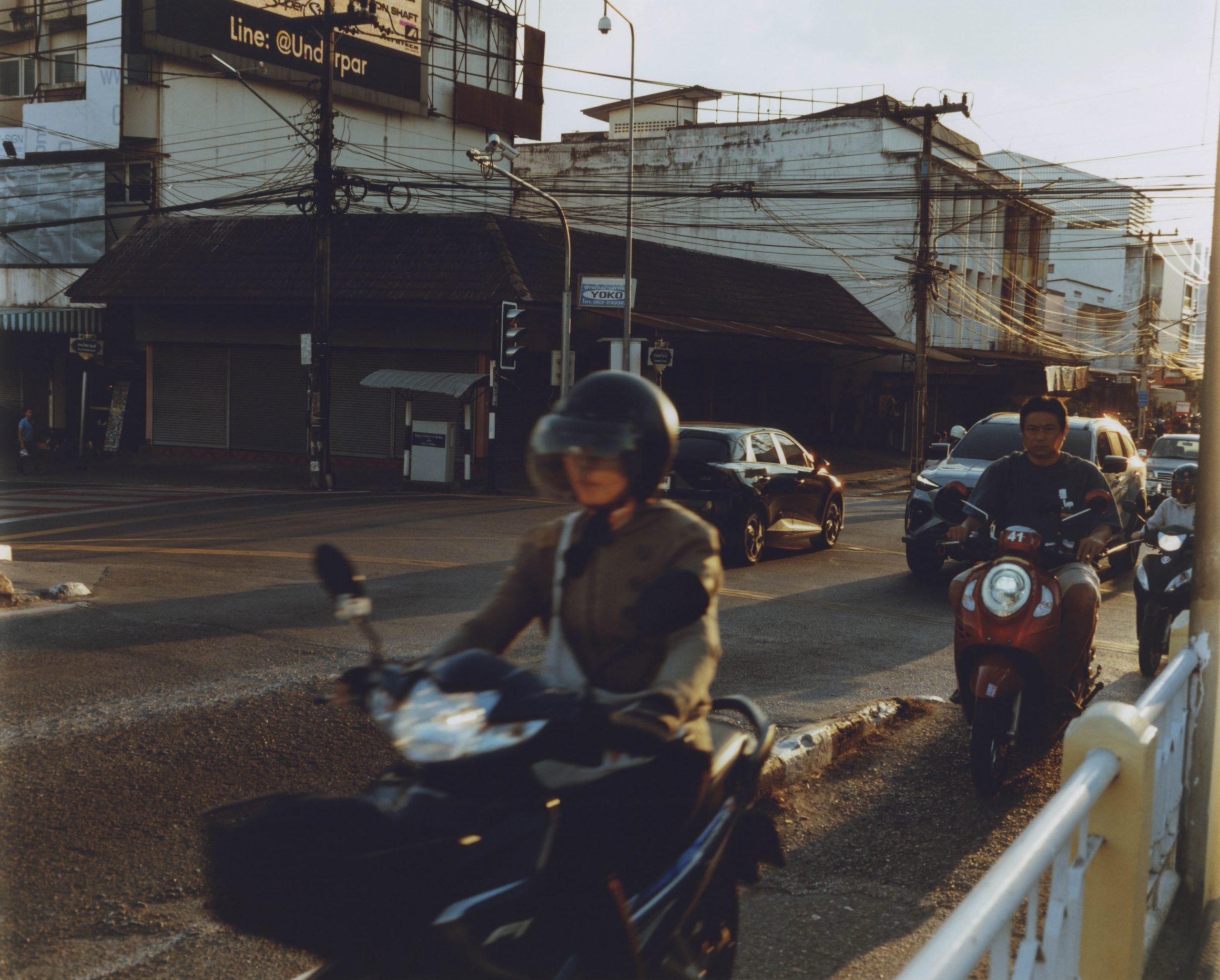
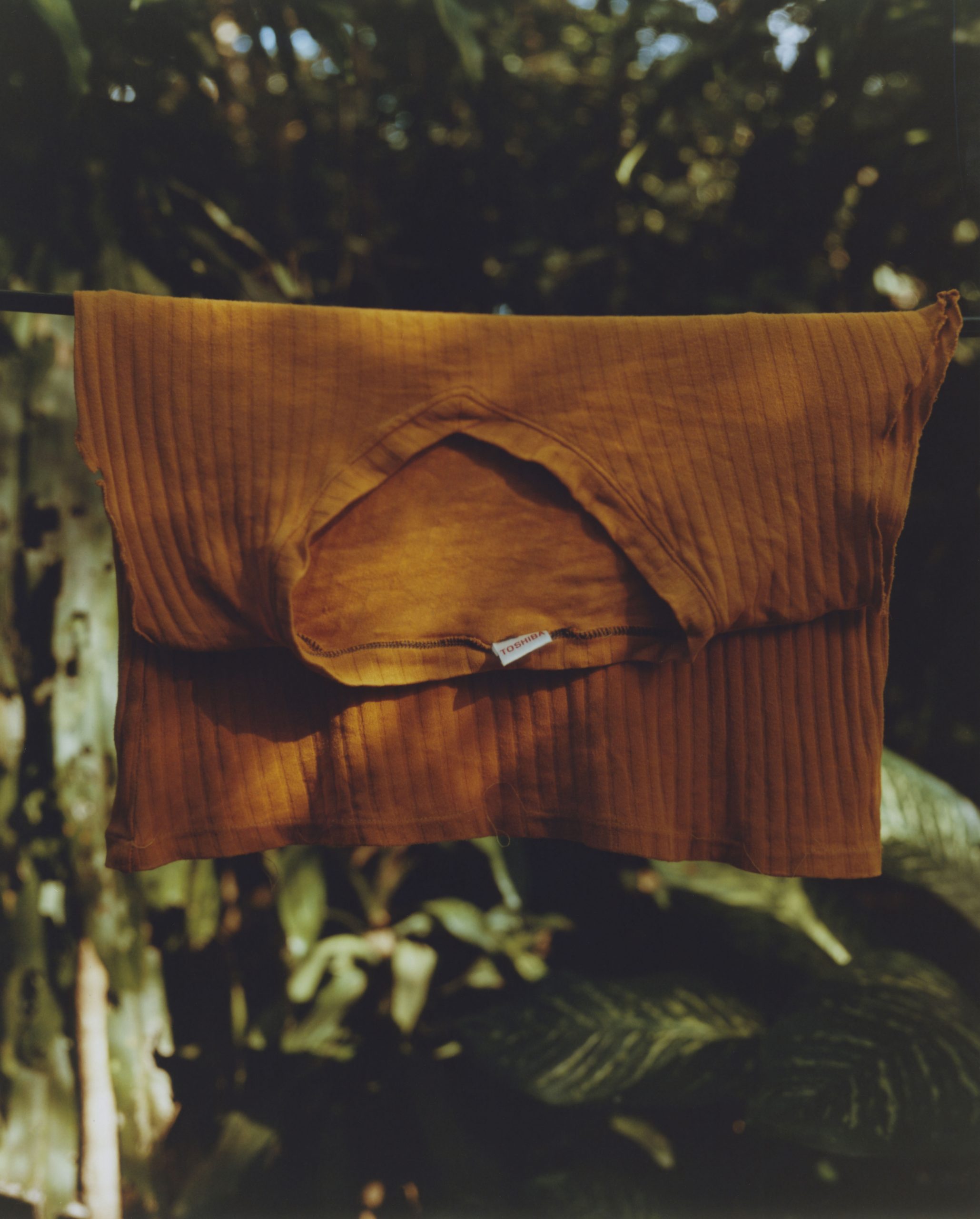
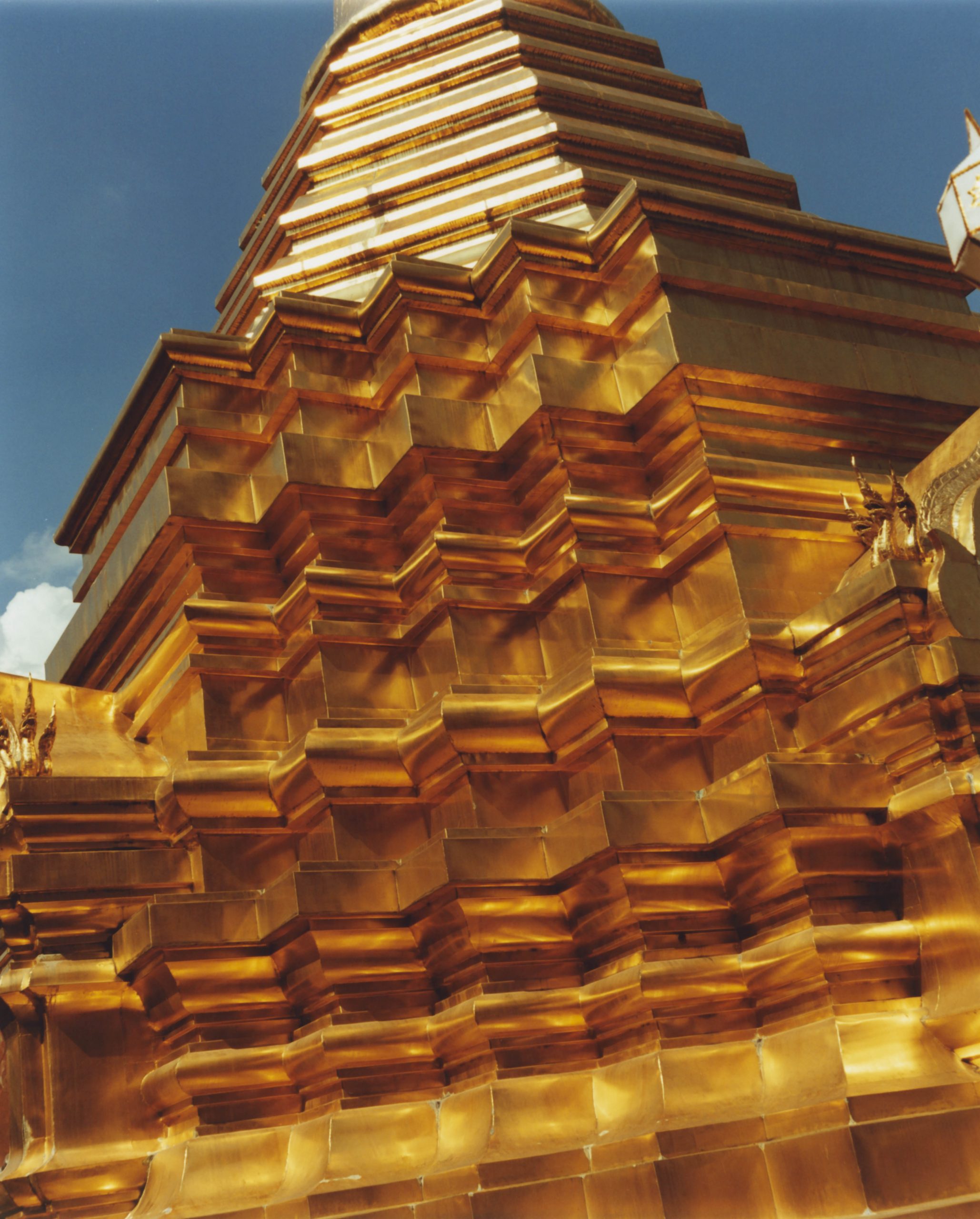
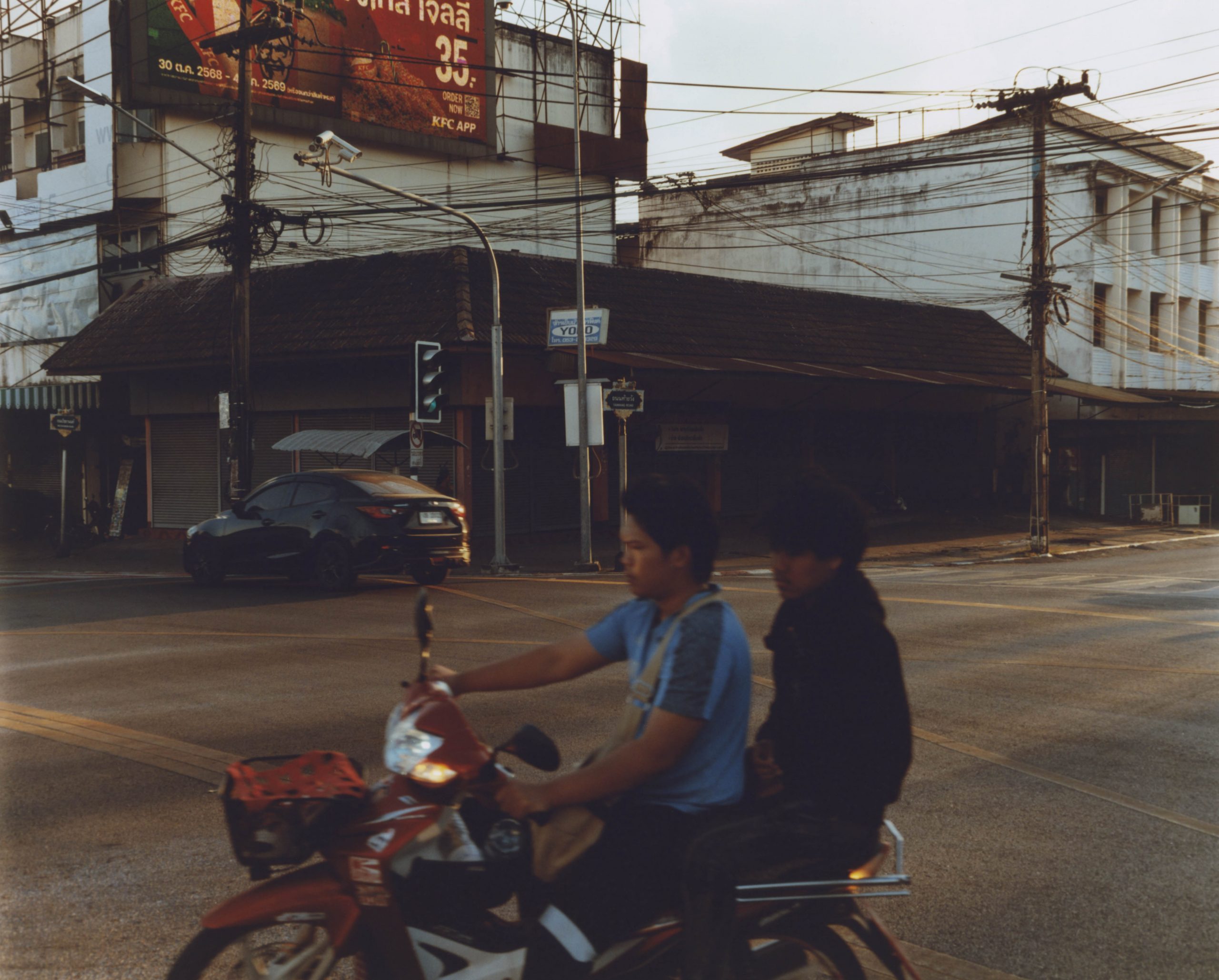
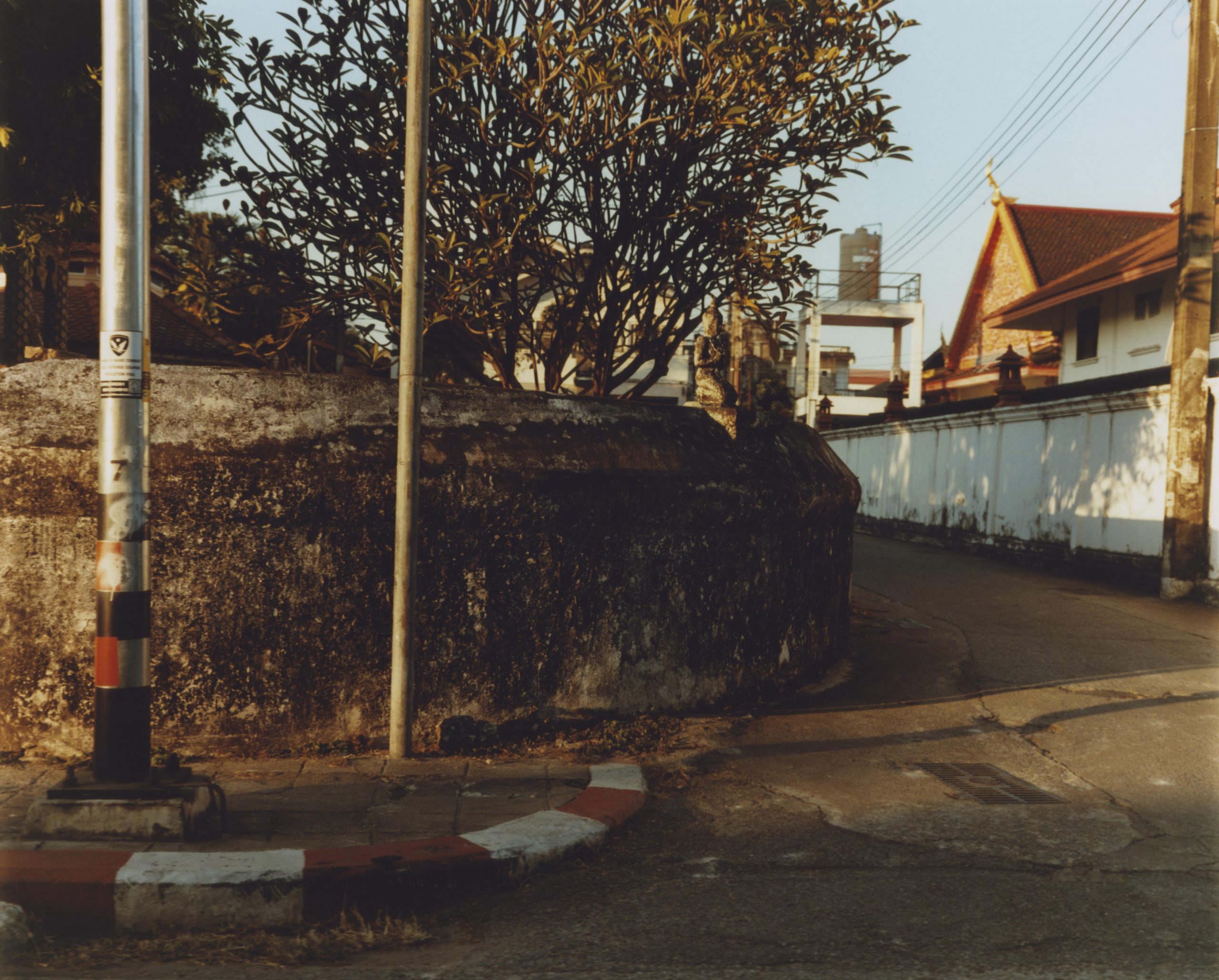
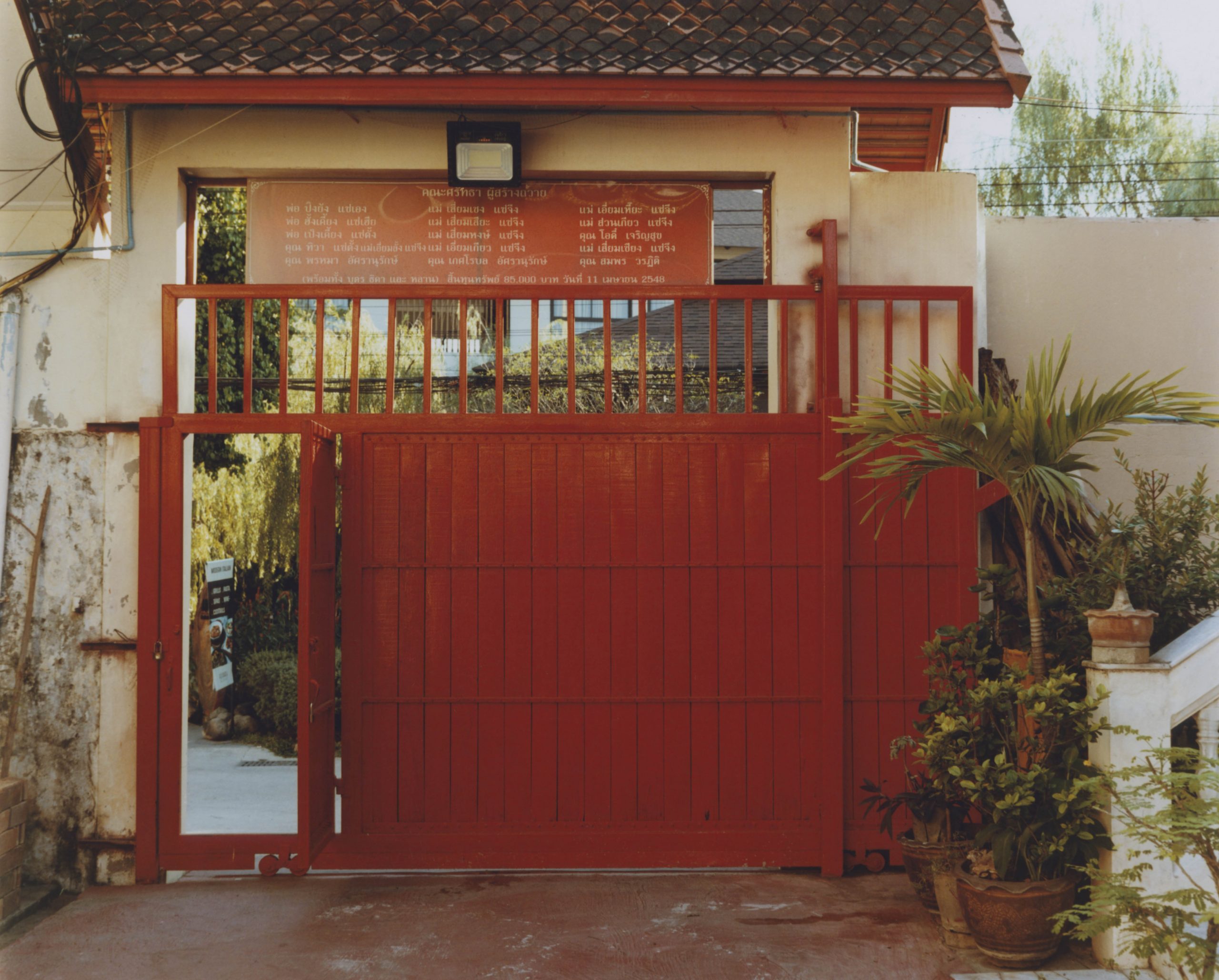
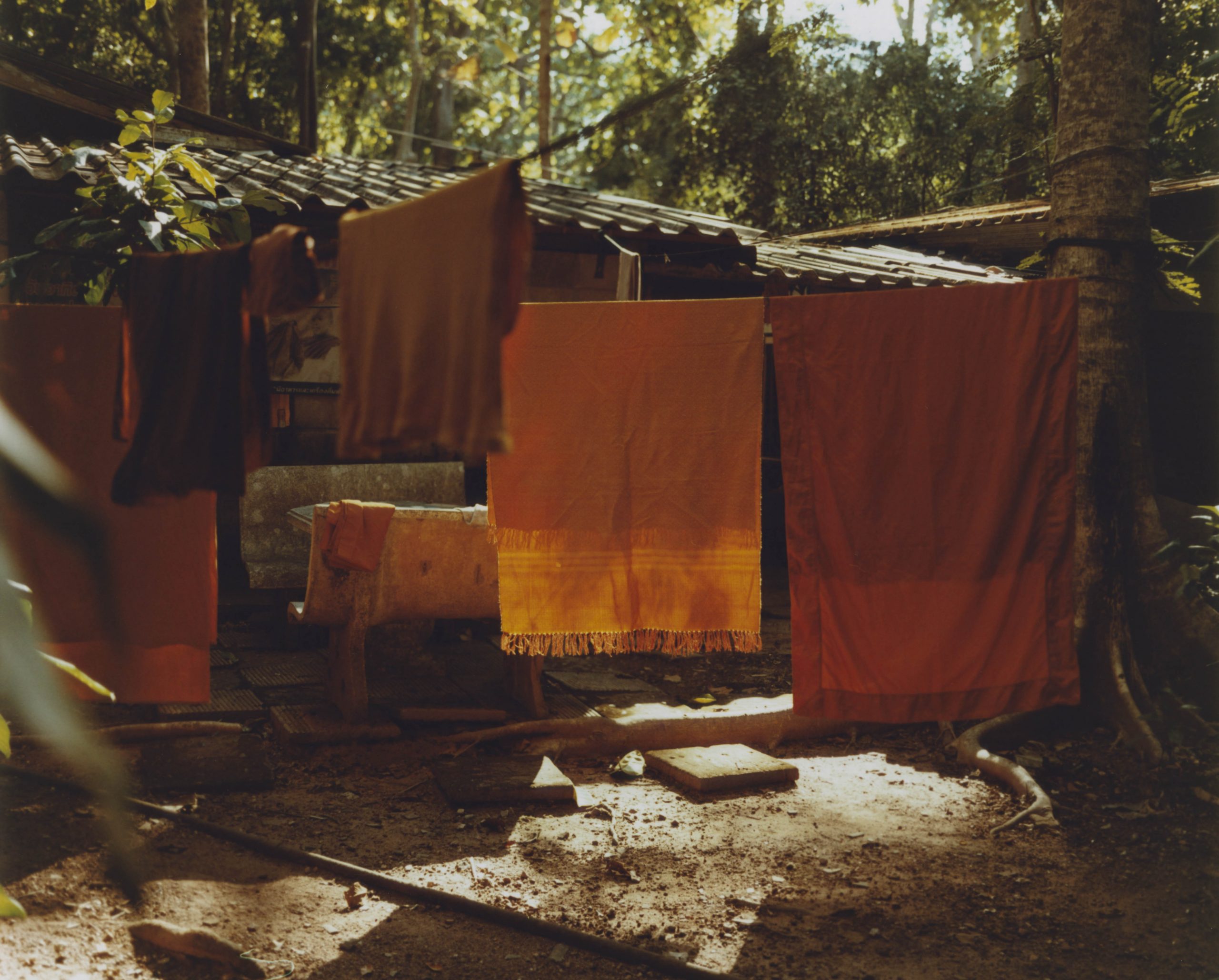
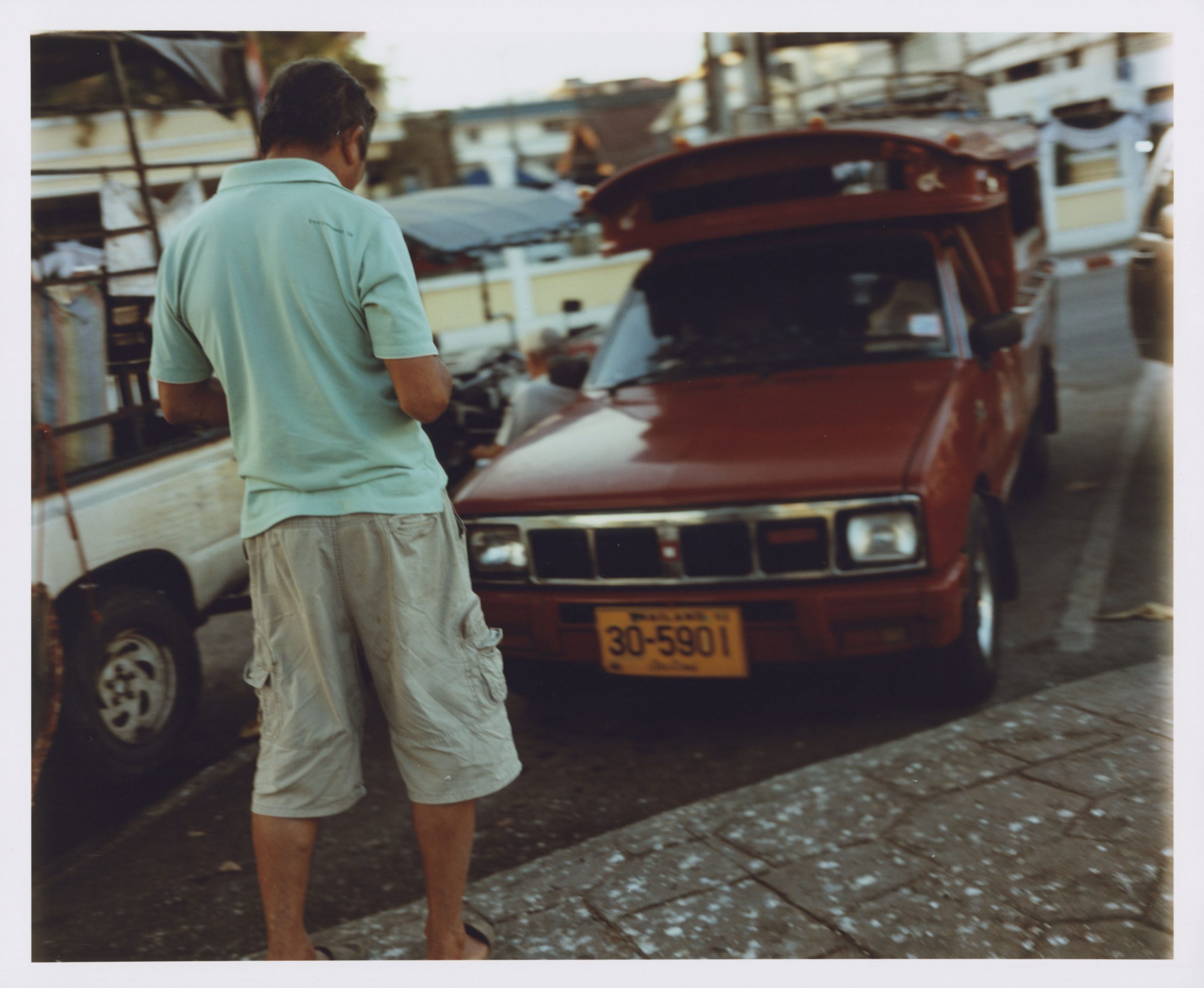
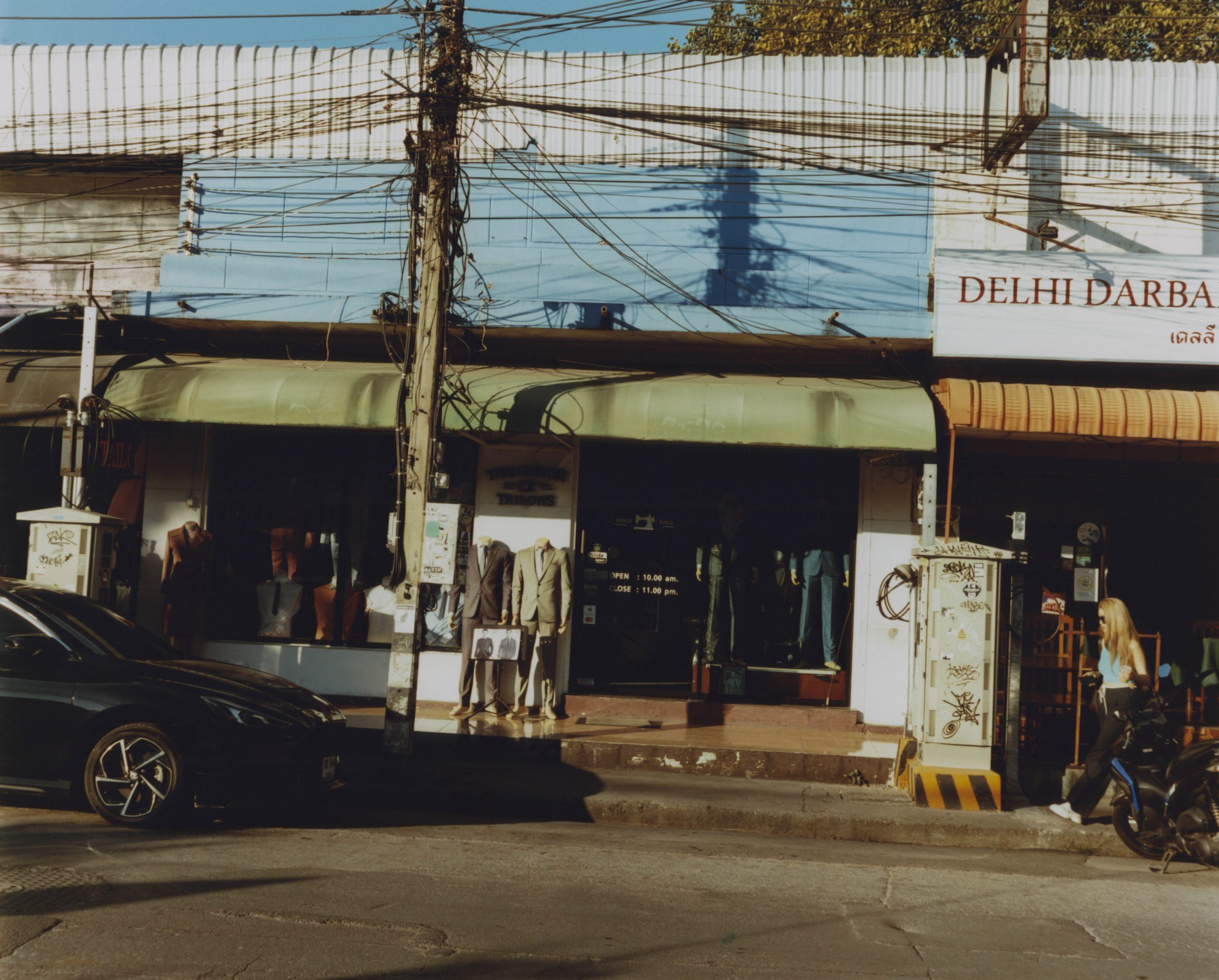
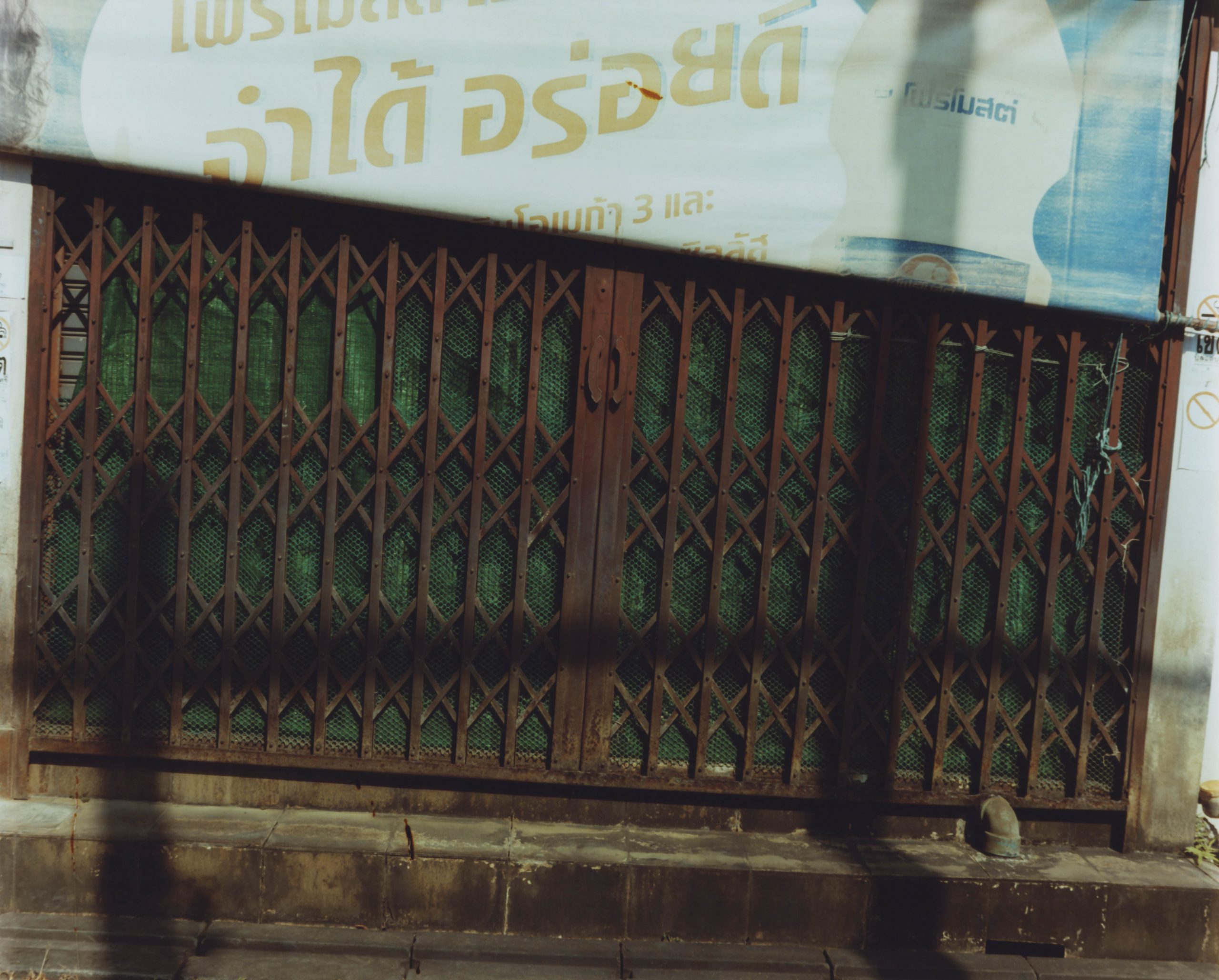
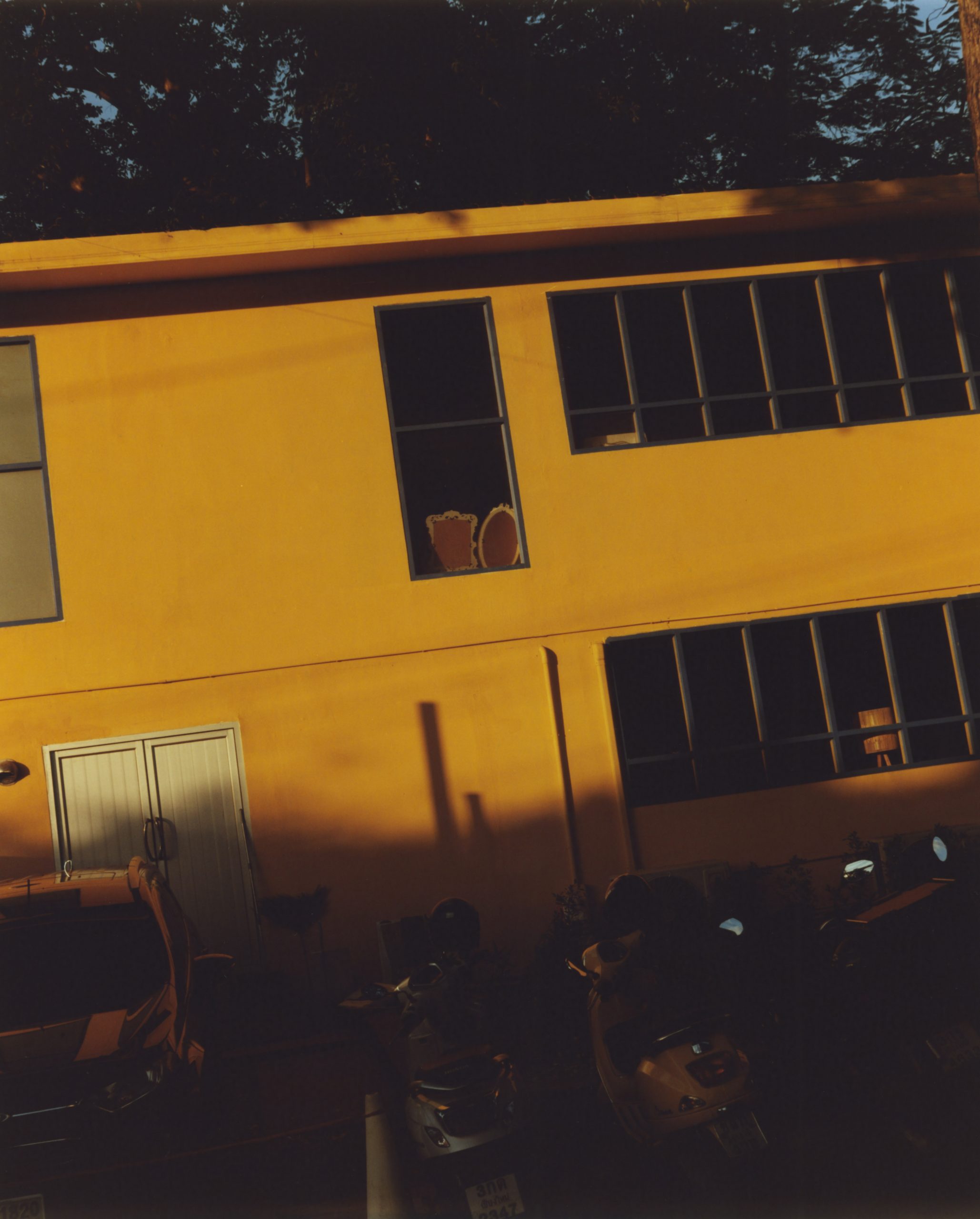
In Chiang Mai, the gleam of gold leaf and the dust of the streets float together in the air. The orange of monks’ robes blends into the traffic, while temple roofs and shop signs form a rippling skyline. Here, faith is not a separate place—it is the very fabric of life.
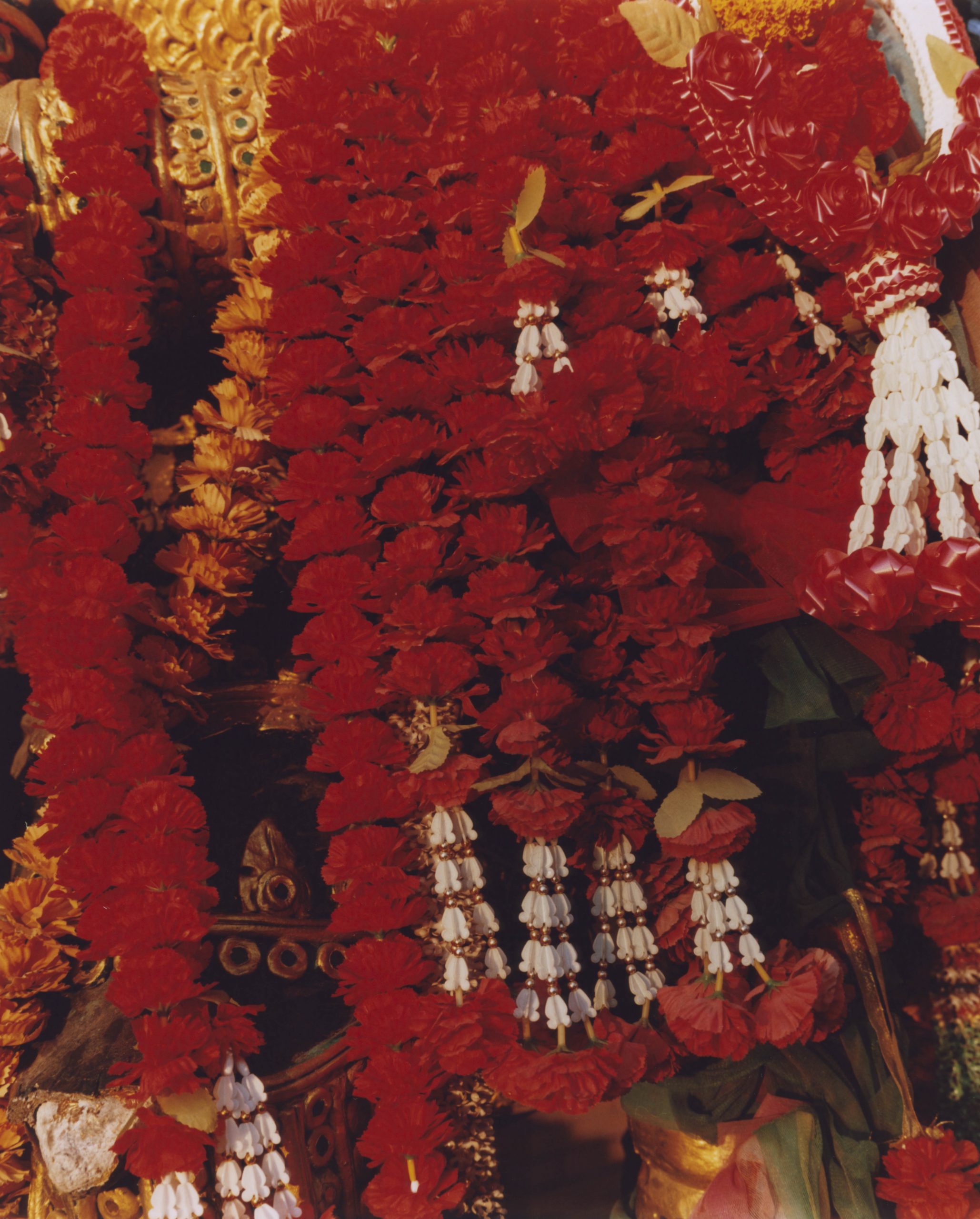
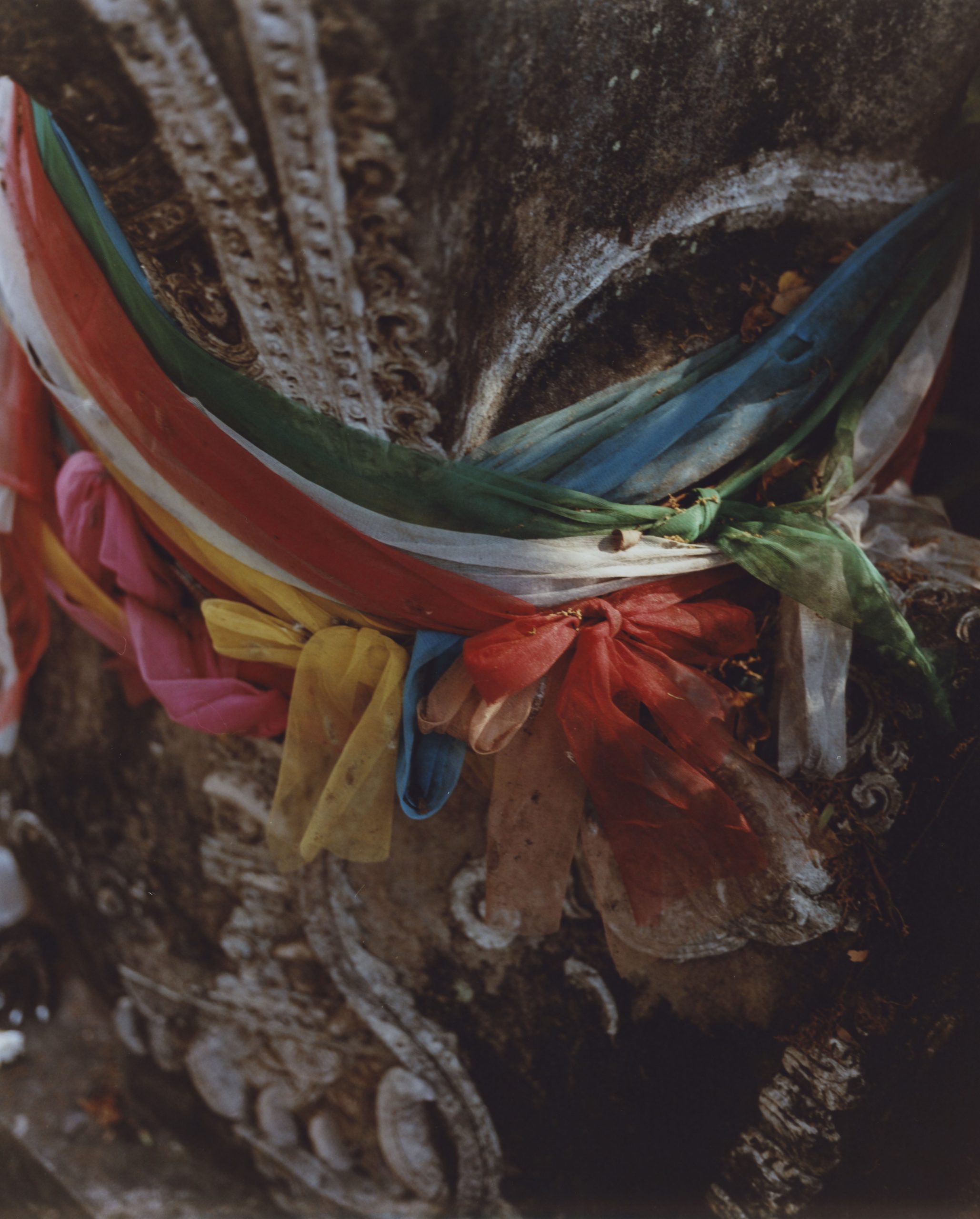
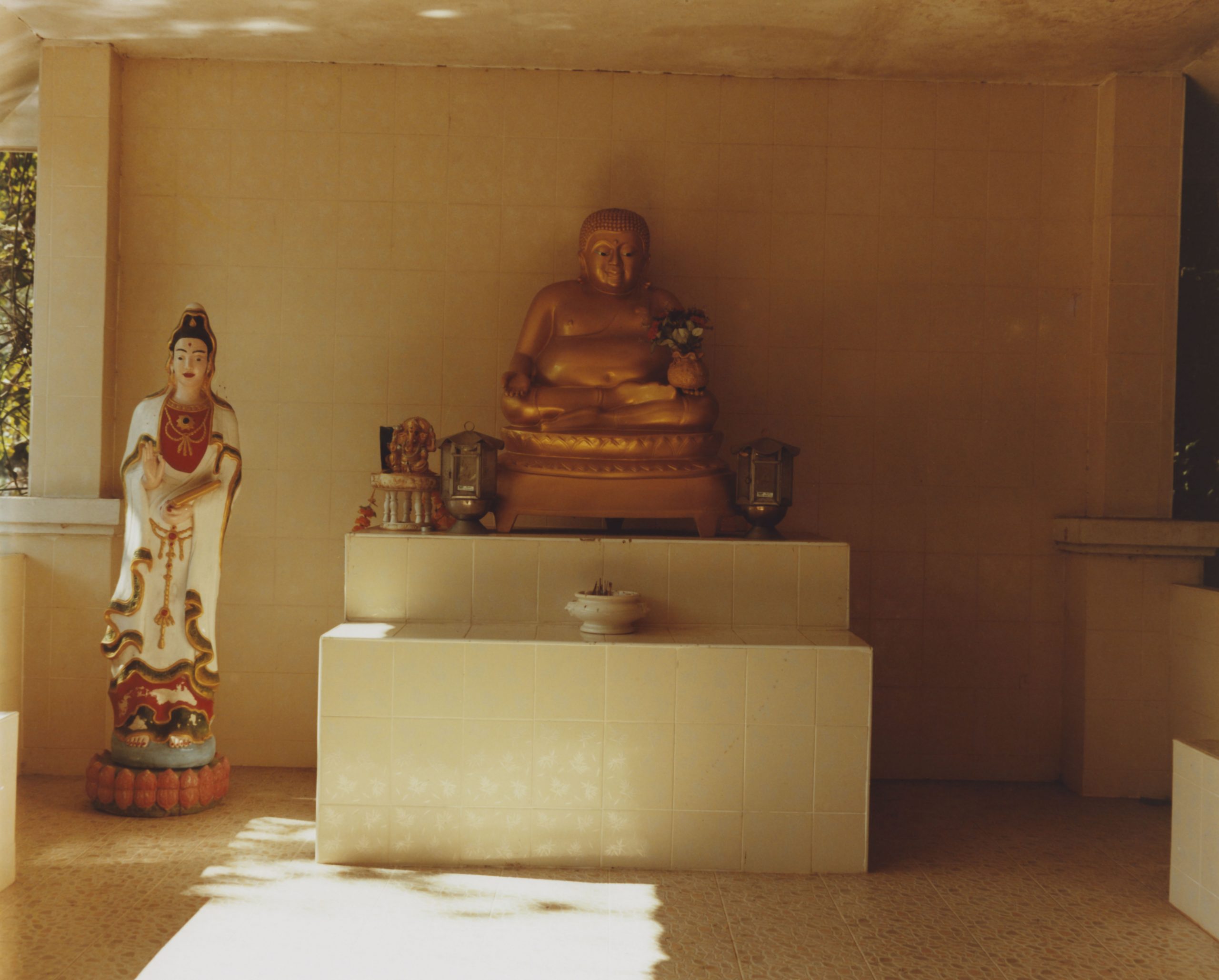
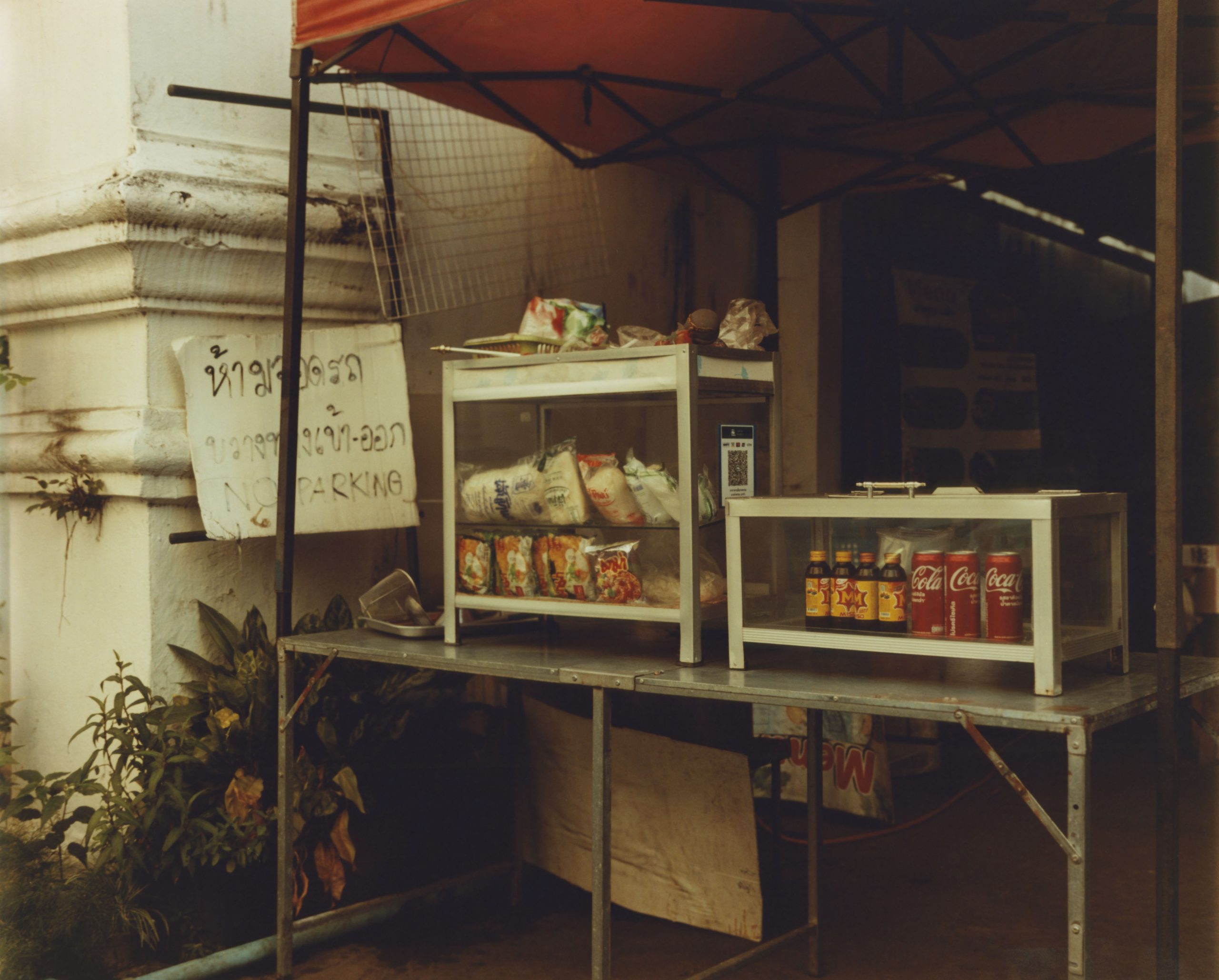
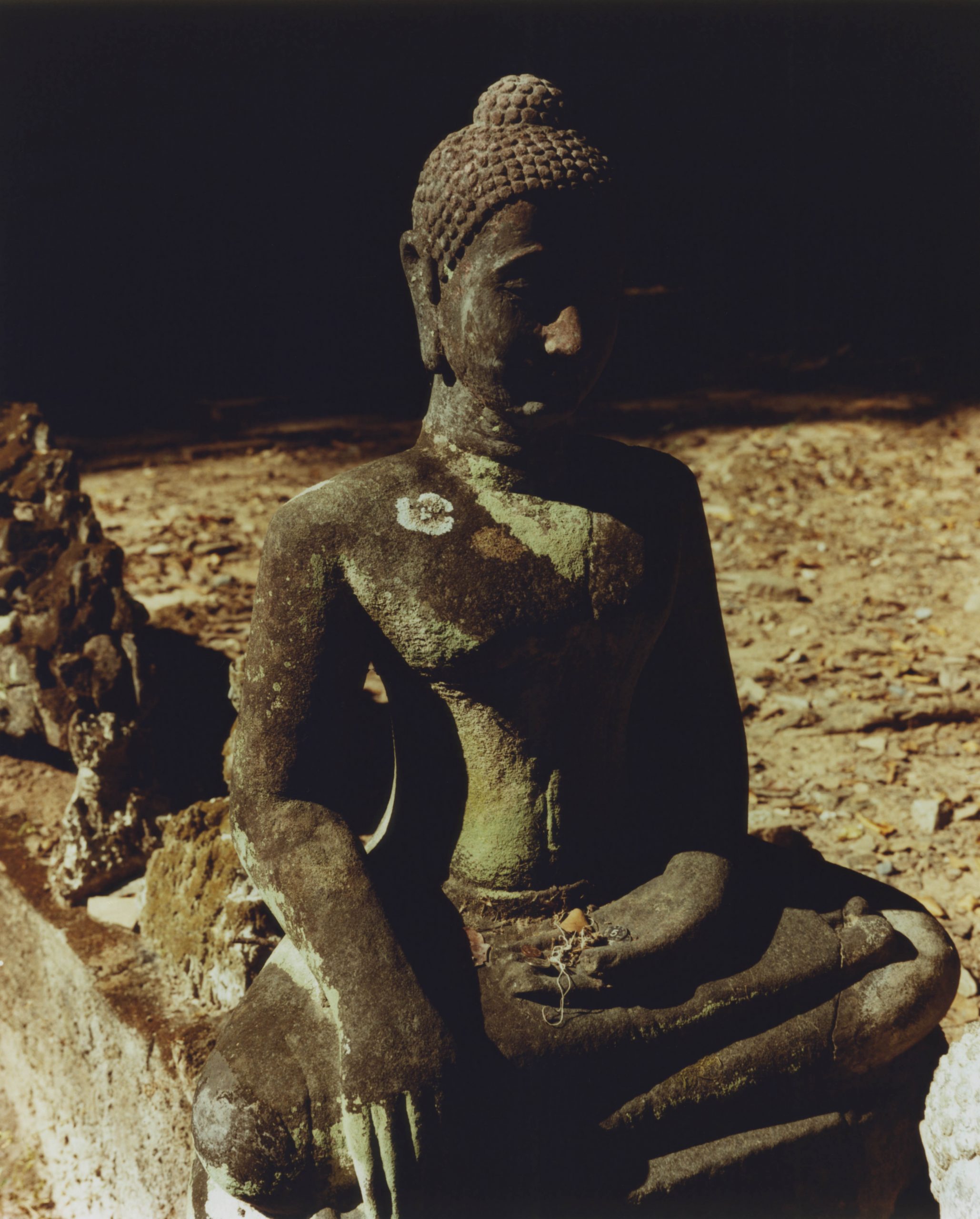
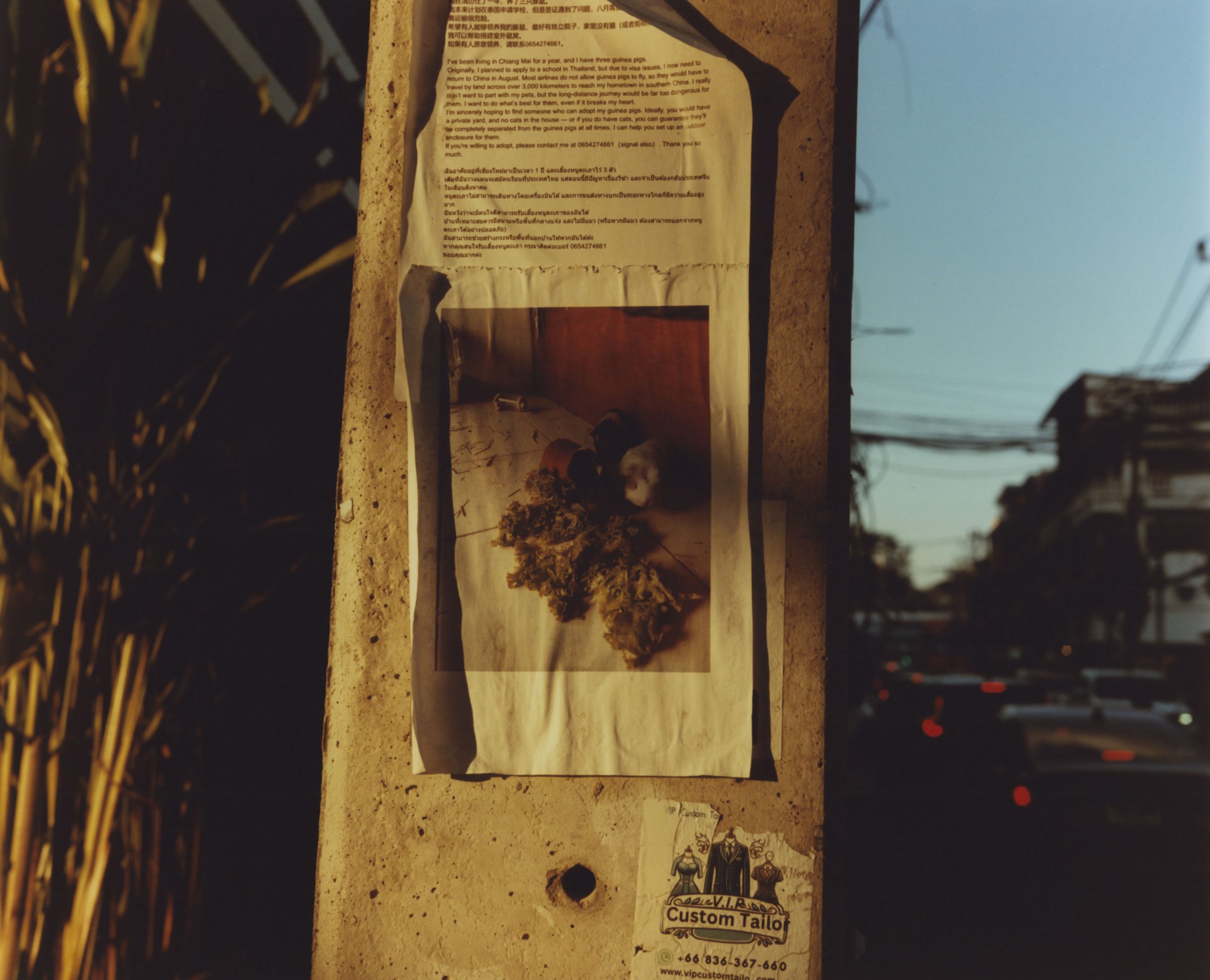
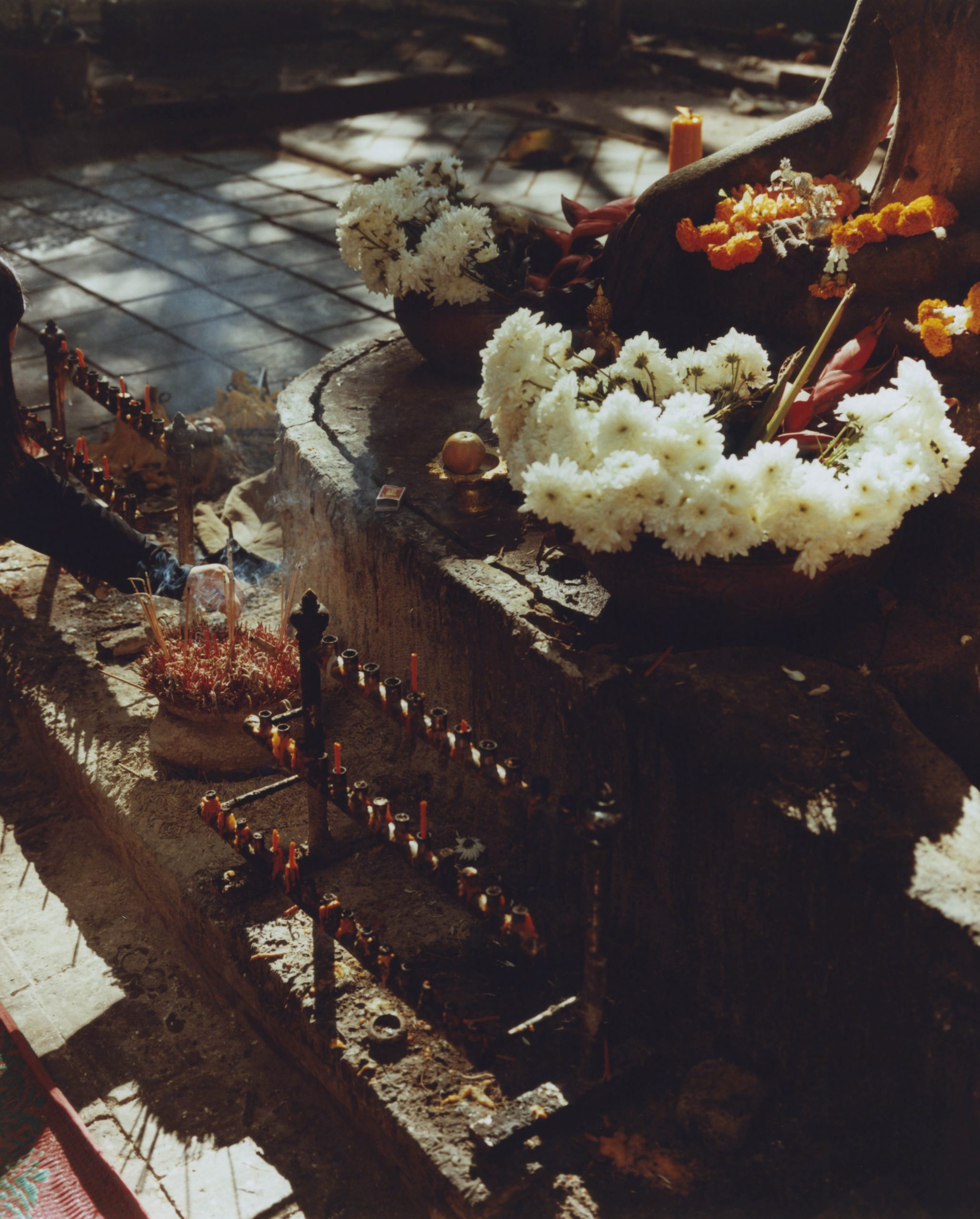
Walk through the city, and you’ll often see scenes like these: in a morning alley, a monk’s alms bowl placed next to a small sign with a QR code for donations; at an evening stall, fresh jasmine flowers beside a shrine sharing space with an unopened bottle of drink. For many locals, the day naturally touches the temple—a brief prayer in passing, or a piece of gold leaf gently placed on a Buddha statue. These moments carry no solemn ceremony, only the ease of daily rhythm.
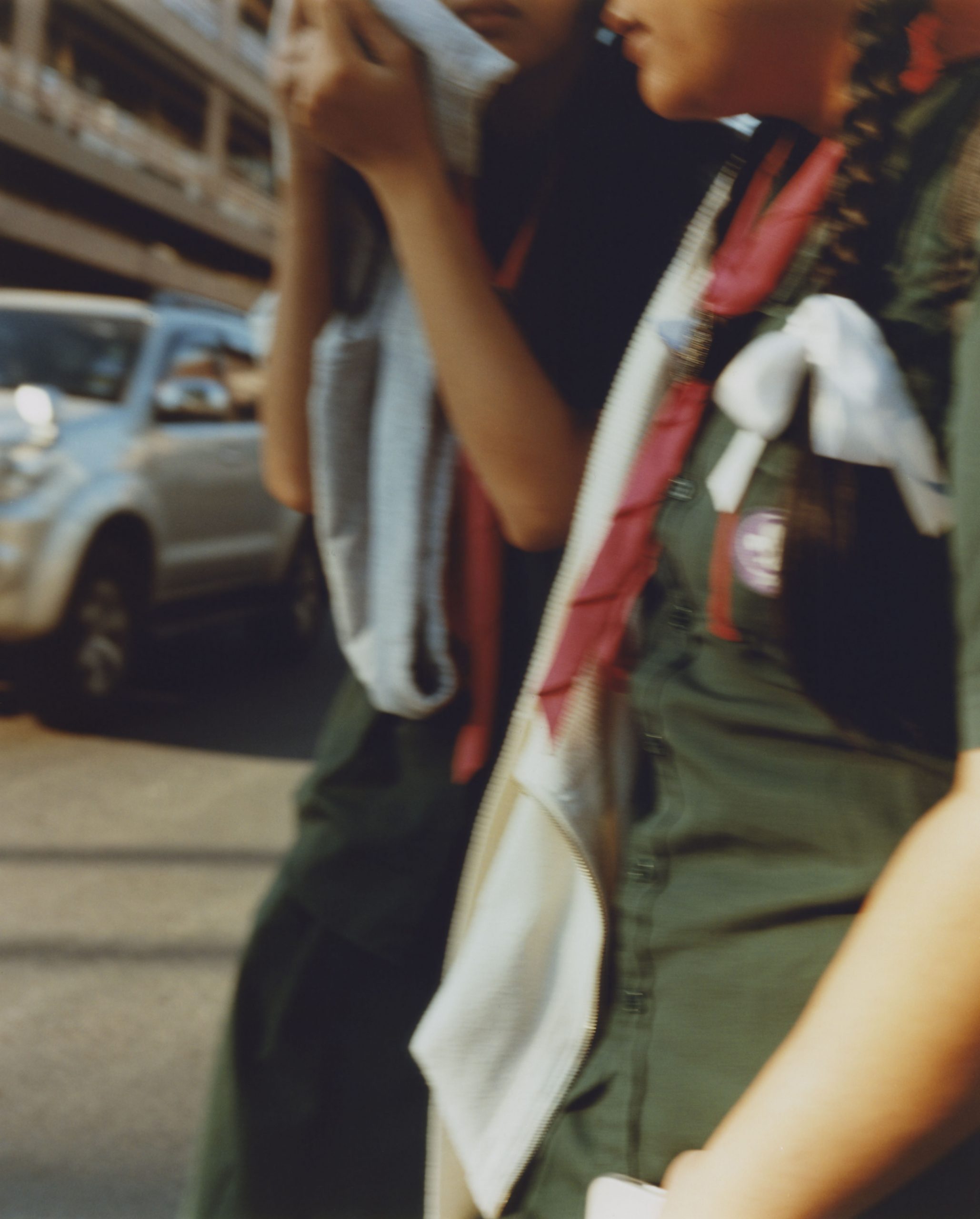
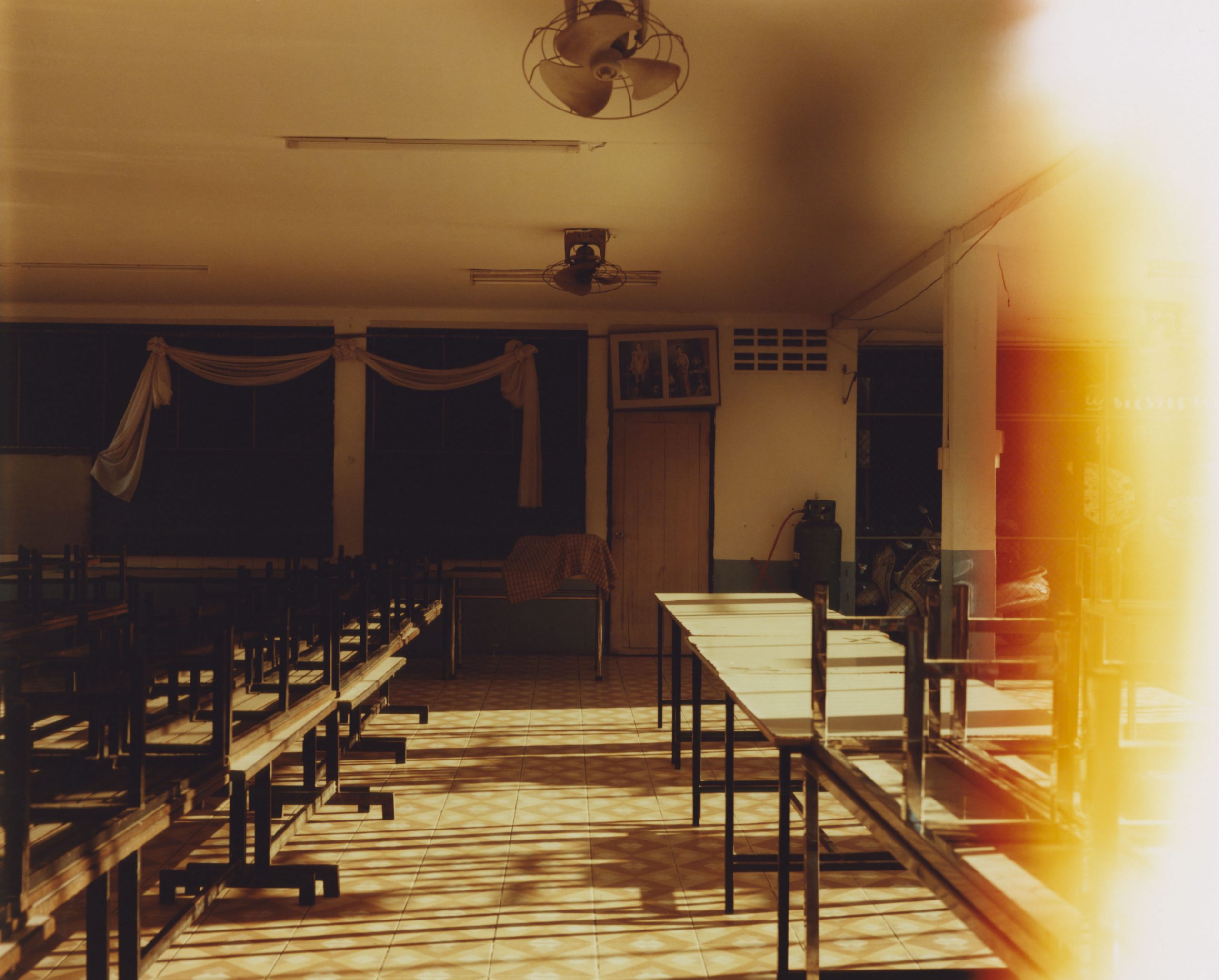
Temple bells and traffic noise, chanting and market chatter—all weave into a single soundtrack. You might see students in white shirts and blue skirts laughing as they run past an ancient pagoda, or meet young monks quietly scrolling through phones beneath a tree. Between the sacred and the everyday, there is no locked door—only a threshold freely crossed.
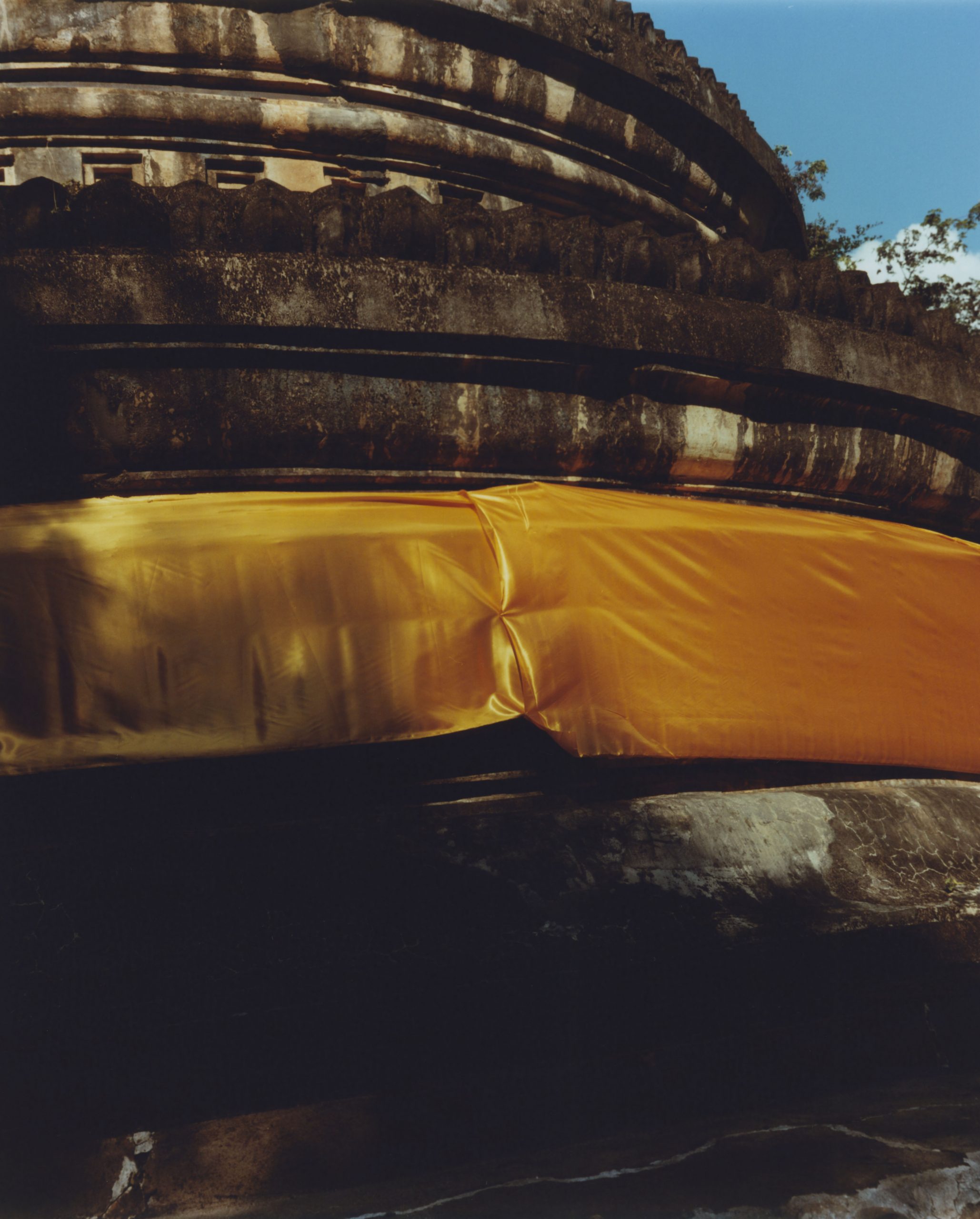
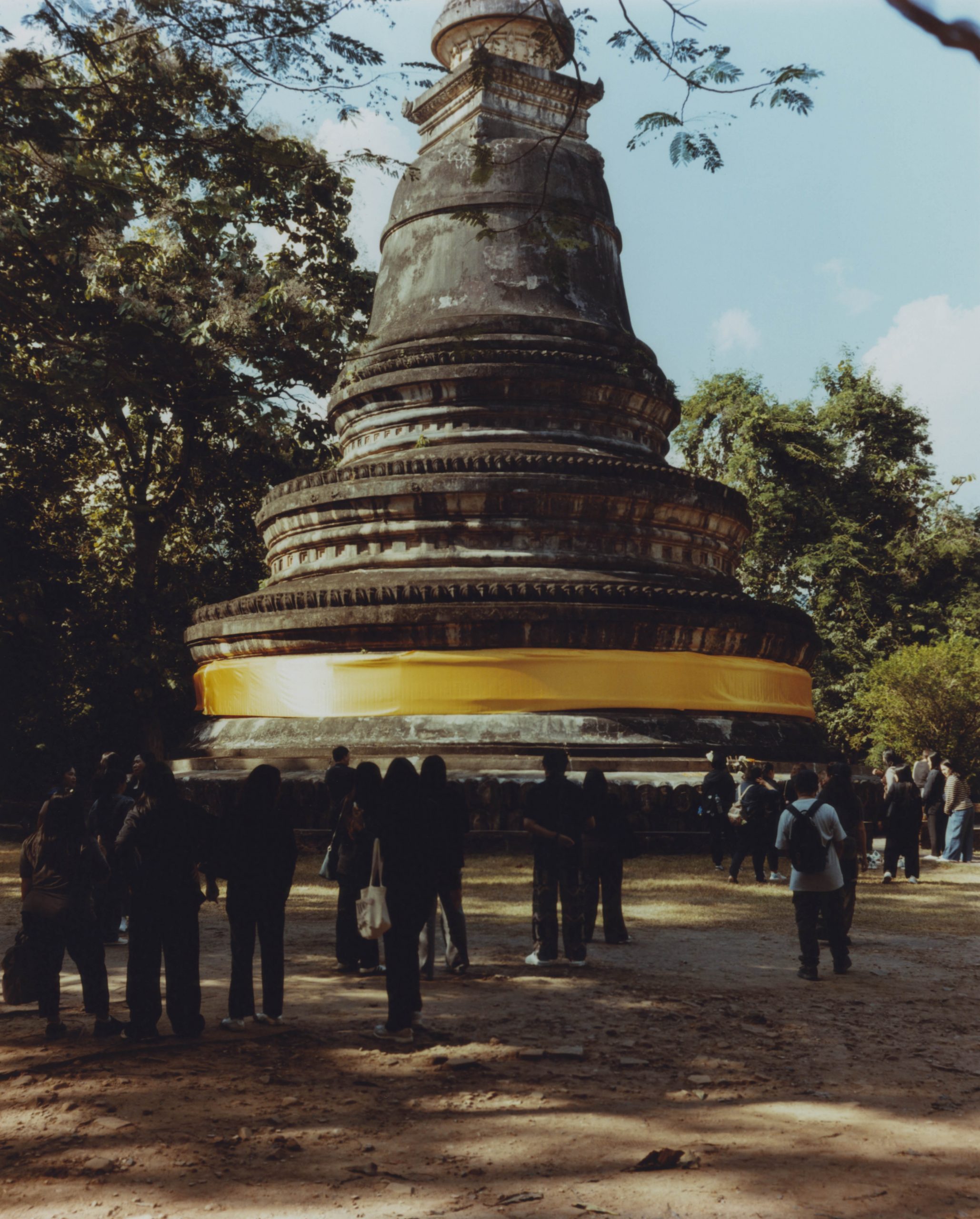
The most moving moments often come at sunset. Before an old stupa, an elder carefully presses new gold leaf onto a weathered statue. The foil is light; some of it drifts off in the breeze, blending into the dust below. It’s like a quiet metaphor: what is sacred and shining eventually merges with what is ordinary and plain.
When night arrives, street lamps and neon signs glow softly. In a temple courtyard, a monk sweeps slowly, the sound of his broom mingling with distant traffic. He gathers fallen leaves, incense ash, and maybe those tiny flecks of gold. Everything settles into the calm of the dark, as if saving a little light for tomorrow—until morning shines again on new gold leaf, and new dust.